

Artist James Adams believes that creating without inhibition, in whatever chosen method, helps find joy and meaning in life.
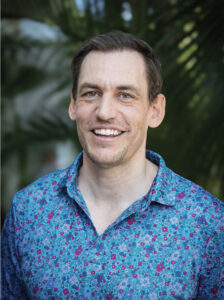
Describing himself as an artist who teaches, James has been in Cayman for the past five years, having previously also taught in the UK and Asia.
“Art is a powerful outlet for humans to express themselves and I truly believe every child is creative,” he says. “The creative process is one of the most gratifying human experiences, and arguably one that we need to nurture the most to retain our humanity.
“My role as a teacher has been a blessing in my life. Seeing students achieve things they didn’t think were possible is hugely rewarding. I’ve heard children talk about their artistic ability quite negatively and it’s a shame.
“It became important to me to try to change that mindset because the truth is that the student who struggles with drawing is often the student who excels at clay sculpture or digital work, or a myriad of other outcomes.”
James also feels it is crucial to support art as a society.
“In the Cayman Islands, there are some amazing young and more established artists,” he says.
“By supporting the arts, we say to children that your unique voice and expression is also of value. If you visit any major city in the world, or even a small town, it’s clear in many places that artwork is highly valued and inspires people – it’s often tied to the fabric of the identity of the place – and that’s an exciting thing.”
ISLAND CONNECTIONS
Originally from the isle of Guernsey in the Channel Islands, which lie between England and France, life in Cayman resonates with James.
Guernsey is similar in size to Grand Cayman and, as a British crown dependency, is overseen by a governor.
He also feels most settled when close to the sea.
“I find there is an incredible energy in the Caribbean, and amazing light,” he says. “It’s an inspiring place to live as an artist. I think that with a melting pot of different cultures, the Cayman Islands fits the profile of being a key hub for art practice in the region.”
Working in a range of media, James’ style and preferences have evolved over the years.
“When I was younger, drawing was my main passion,” he says. “I would love to sit for hours and observe something and draw it with tonal pencils. I also enjoyed working in chalk pastel, and in colouring pencil.
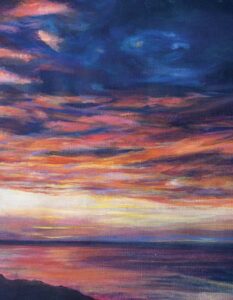
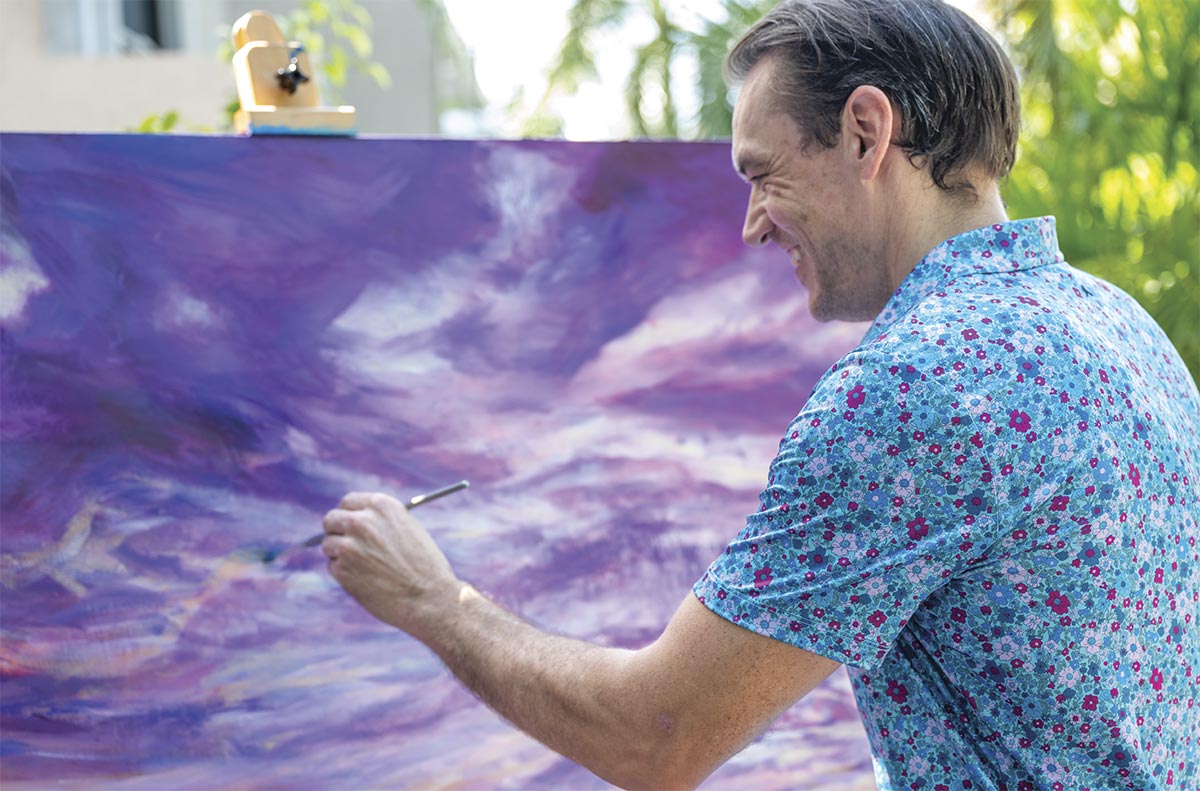
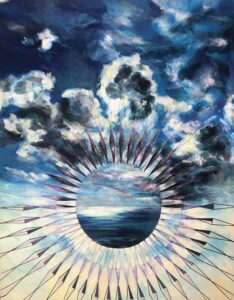
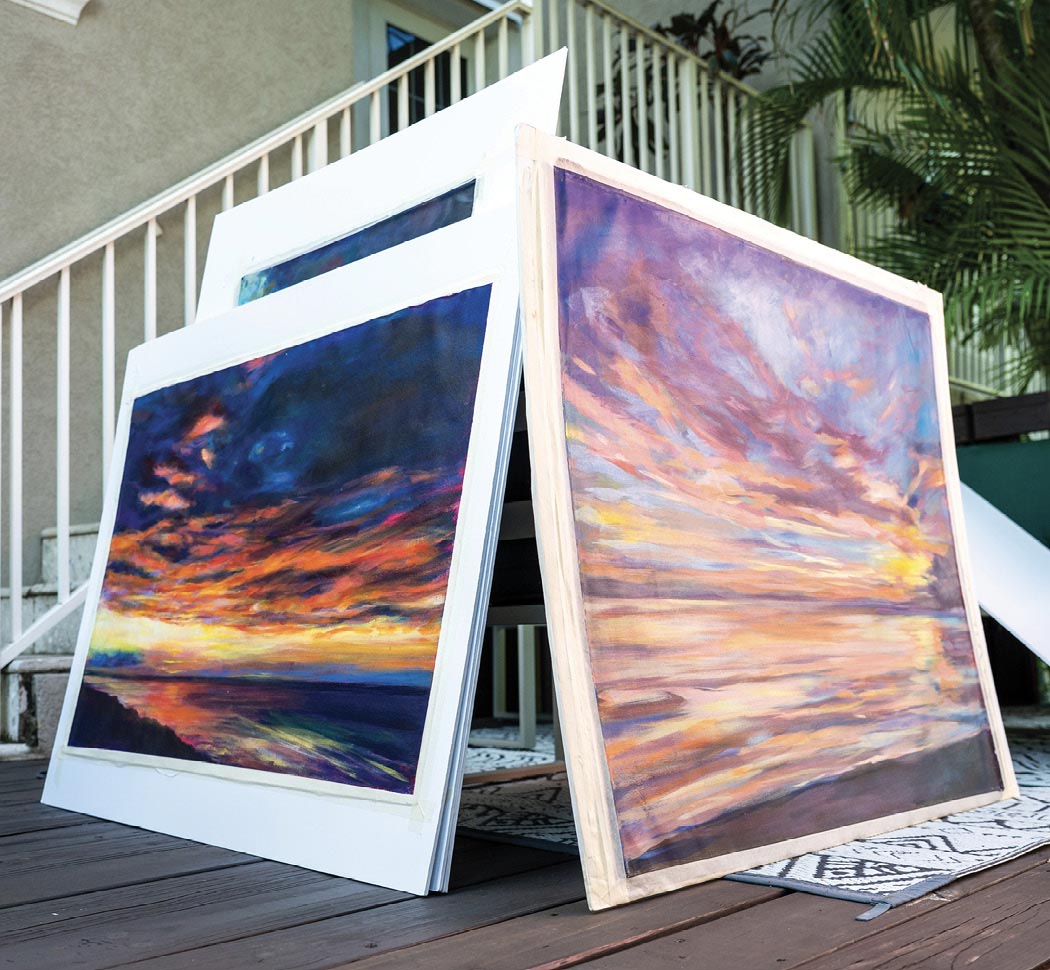
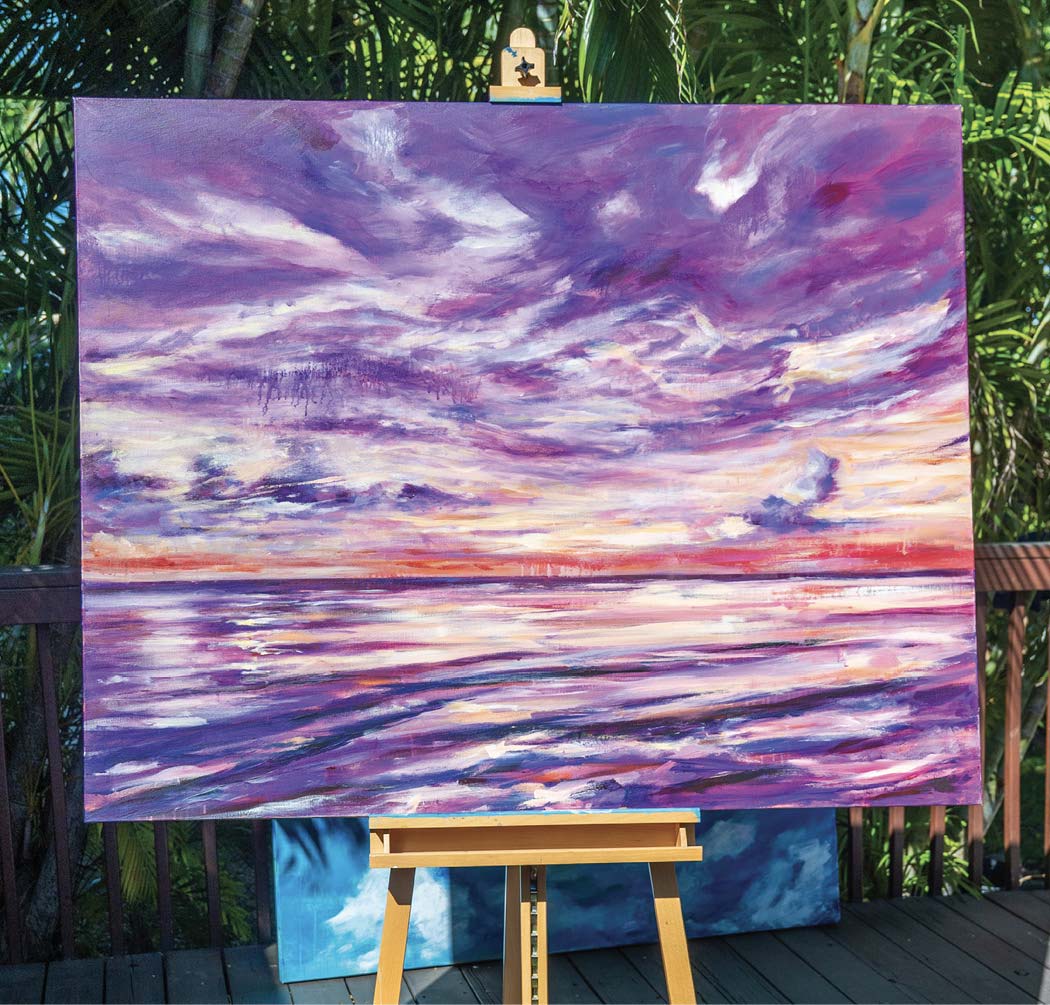
“It’s interesting as we evolve, how our tastes change. Although I still value drawing, I feel like my artistic instincts are now based in painting. I particularly enjoy using acrylics, for example, because of their fast drying-time.”
Rather than identifying with one medium, James likes to choose the materials that best suit the task and the energy he wants to create.
“As a younger artist, I was really into painting with my hands and a neo-impressionist/expressionist style,” he says. “My connection to drawing still remains, of course, but is more about the process of developing work and ideas, and rarely feels like a material I use for a resolved outcome.”
A decade ago, James lived in Vancouver, Canada, for a sabbatical year, working in a stone-carving studio. Some of the artisans were people of the First Nations of British Columbia, with James learning from their perspectives.
“It was a big change for me; it especially reinforced that artist intuition is powerful,” he says.
ART BACKGROUND
James comes from an artistic family, his mother being a professional artist and his father having attended art college.
He undertook a joint honours degree course at Oxford Brookes University in the UK, which was half in education and half in fine art. He then took a year-long teacher training course at the University of Exeter before beginning his art teaching career, also in the UK.
“I still feel like an artist who is a teacher, but I have learnt a lot more than just how to demonstrate skills to students in my career,” he says. “Inspiring people through art has been such a rewarding and transformative experience.”
EXHIBITING IN CAYMAN
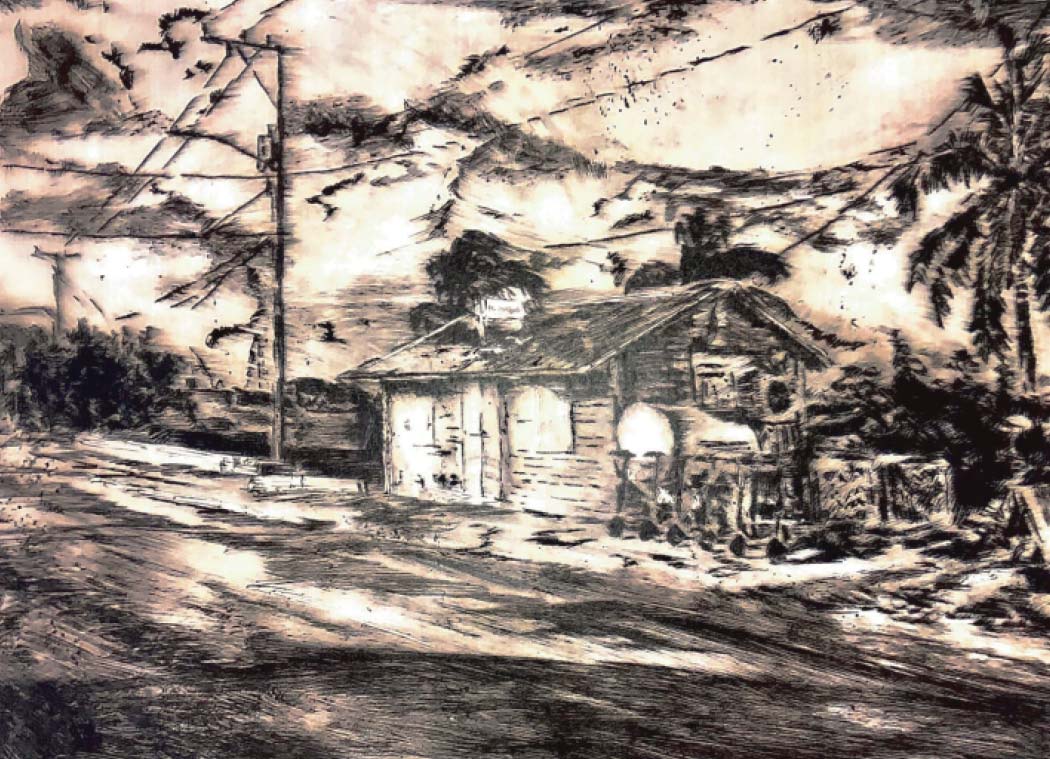
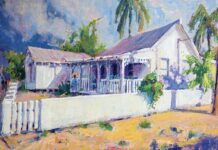
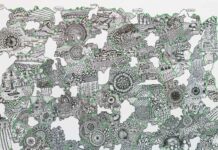
In 2023, James had work accepted by the National Gallery of the Cayman Islands for its Biennial Exhibition, most notably an etching of ‘Mr. Arthur’s’ store on North Church Street, which is now in the gallery’s permanent collection.
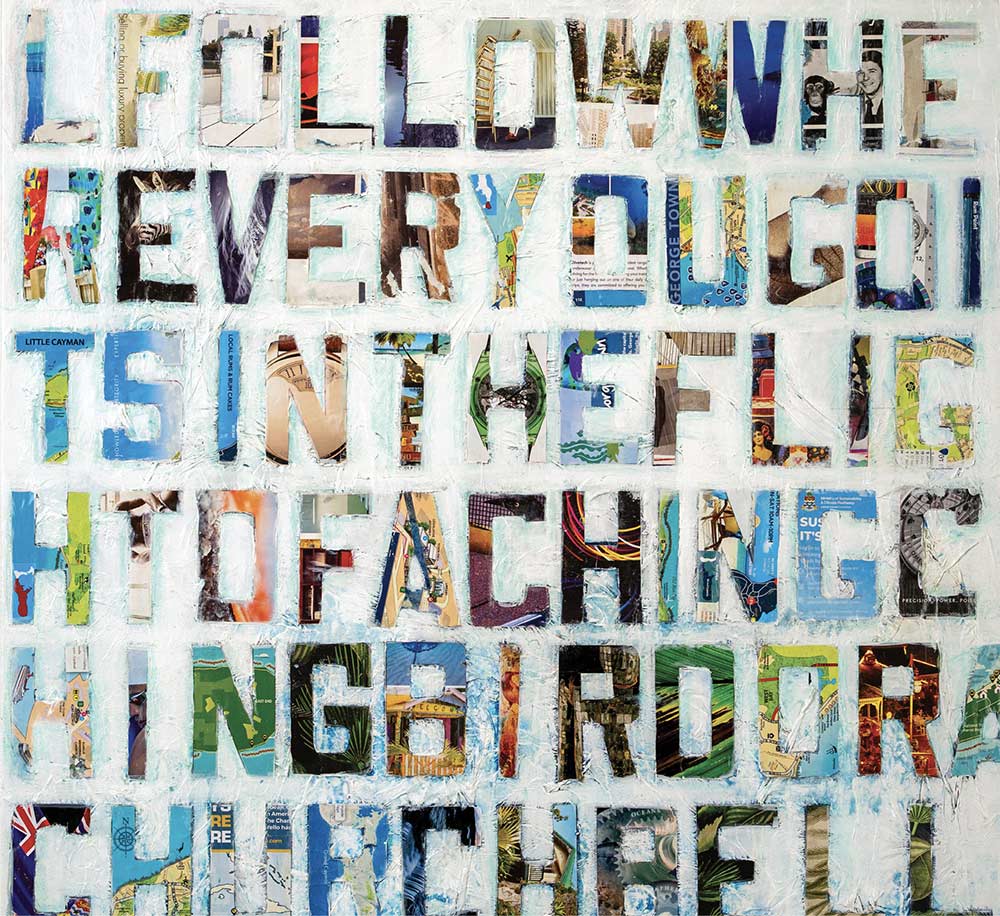
Since then, he has exhibited work in the gallery’s most recent Biennial, ‘Archipelago’, with pieces about the feeling of being in Grand Cayman as an outsider, but still feeling connected to the island.
“I’ve really enjoyed having a relationship with NGCI and I feel that they embrace artists and make them feel valued,” he says. “The art scene in the Cayman Islands is impressive for a small island.”
James has also been exploring his own writing, and incorporating text into his work, in 2025 producing a book on his artwork and poetry.
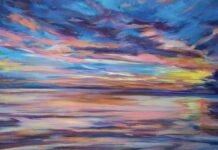
“I like to create emotive work that shows a connection to the subject,” he says. “I feel like my aim is to give the viewer the essence of the place, person or concept that I am conveying.”