
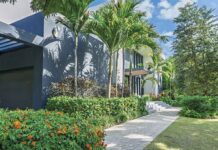












 Carved into the ironshore surrounding Hog Sty Bay, and largely unnoticed by the commuters and tourists who pass it each day, lies an historic well once used by some of Cayman’s early settlers.
Discovered during the construction of Bayshore Mall, the well was preserved, with the building carefully constructed around and over it.
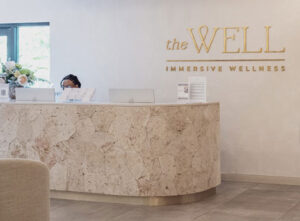
 More than 300 years later, the site has once again become a place of rejuvenation, sustenance and recovery. Today, it is home to The Well, an integrated health and wellness facility where the original step well sits quietly within its footprint.
SERENDIPITOUS
The location of The Well was almost serendipitous as its owners were unaware of the site’s history when they first fell in love with The Well as a business name.
“When we viewed the site and discovered that it contained a well believed to date from the 1700s, the connection felt extraordinary,” says Philippe Deslandes, medical director at The Well and a practising registered massage therapist.
“Once we saw the space in its entirety, we knew almost immediately that it was where The Well belonged.
“The presence of the well created a remarkable connection between our name, the history of the building and what we wanted the business to represent,” he says.
“A well carries a wider symbolism as a source of life, restoration and community, which felt naturally aligned with our vision. In that sense, the building’s history became an unexpected but deeply meaningful part of our identity.”
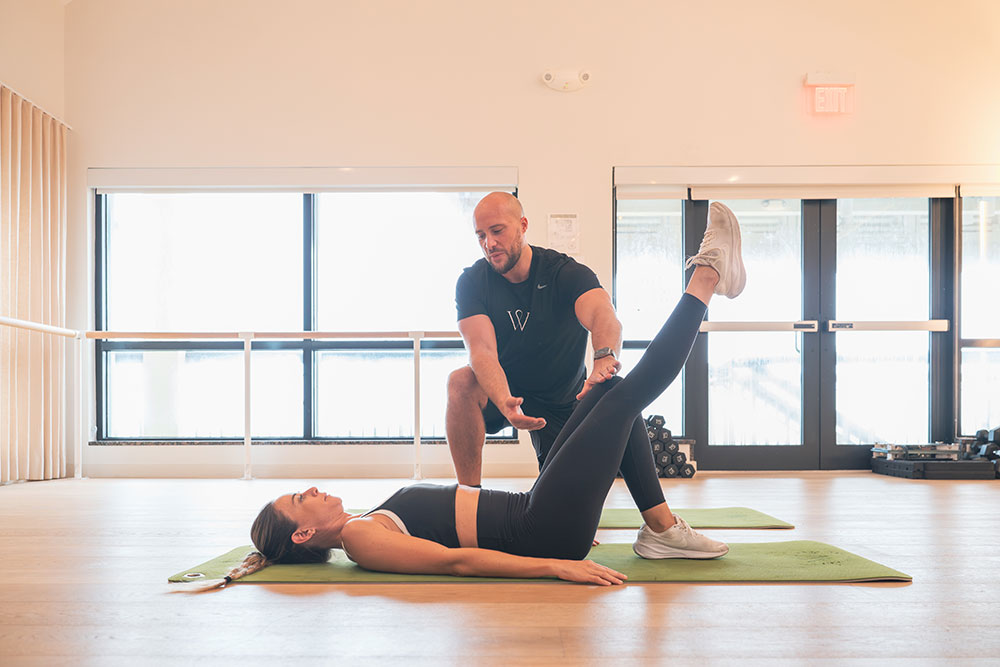
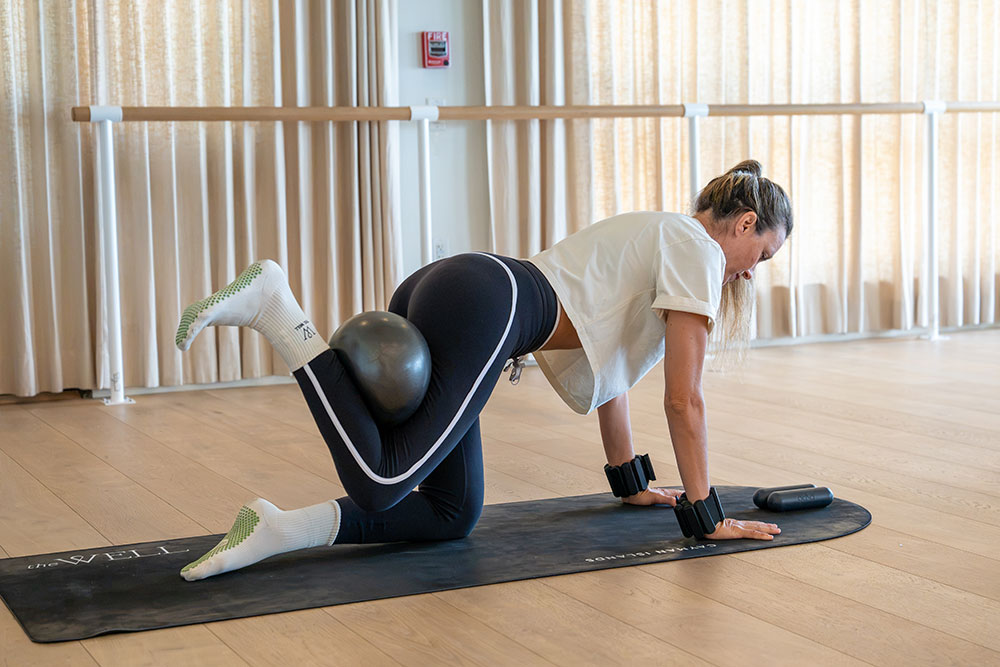
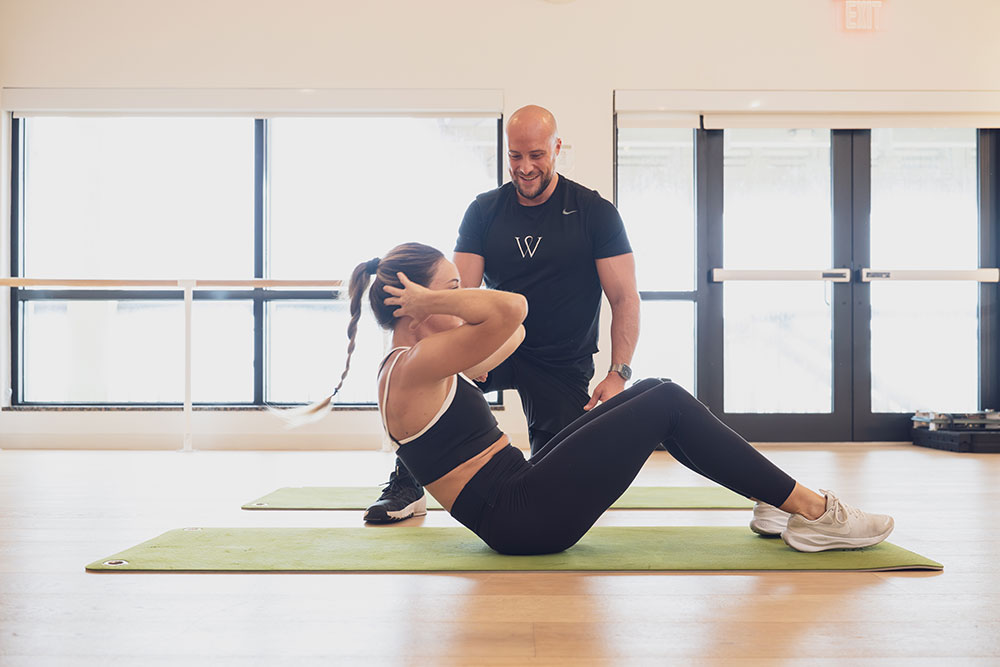
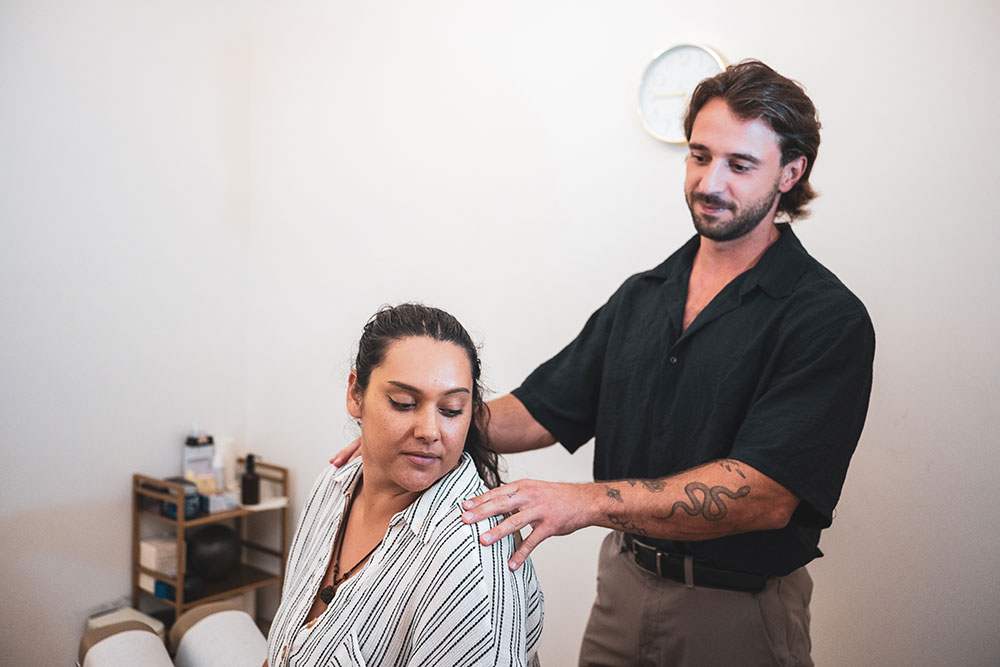
That sense of restoration is reflected in The Well’s multidisciplinary approach, which brings medical care, physical therapies, movement and recovery together under one roof.
“We have created an exceptionally comfortable and welcoming setting that supports healing, while bringing medical care, physical therapies, movement and recovery together under one roof,” explains Philippe.
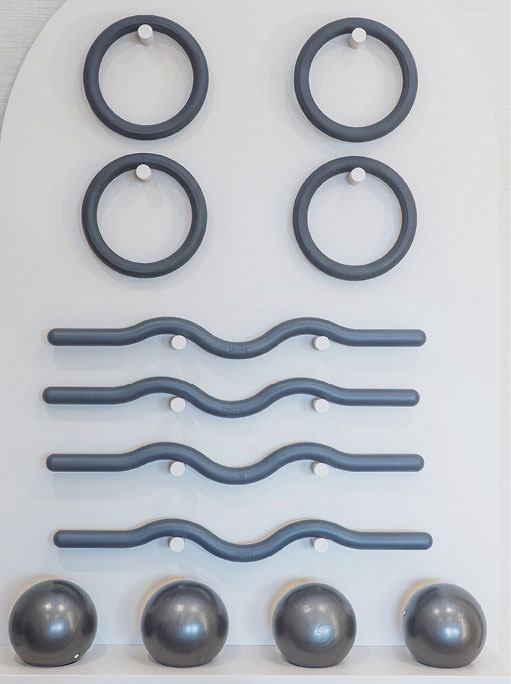
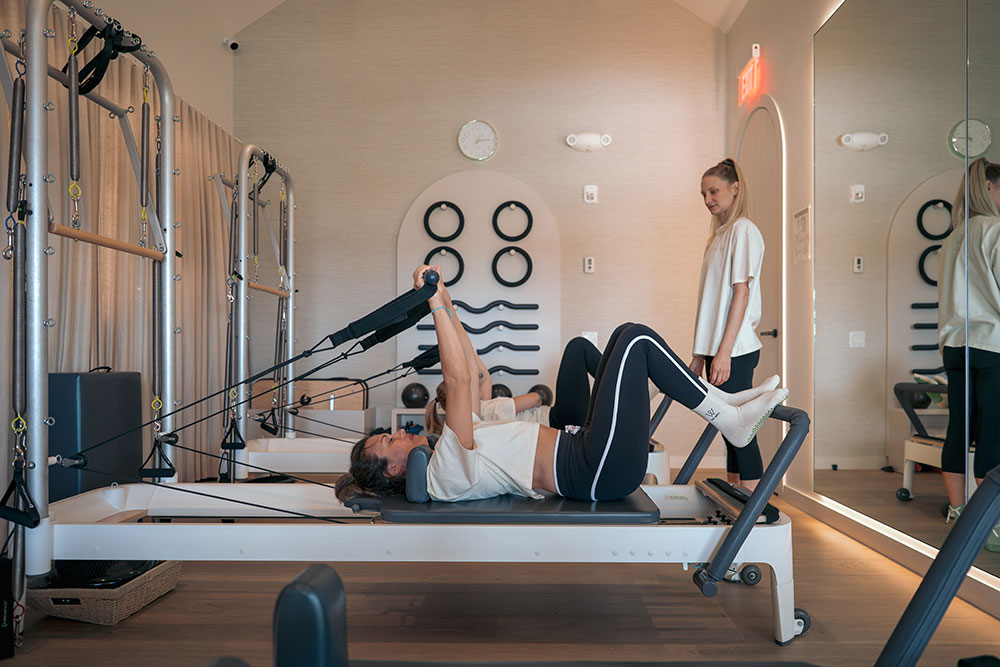
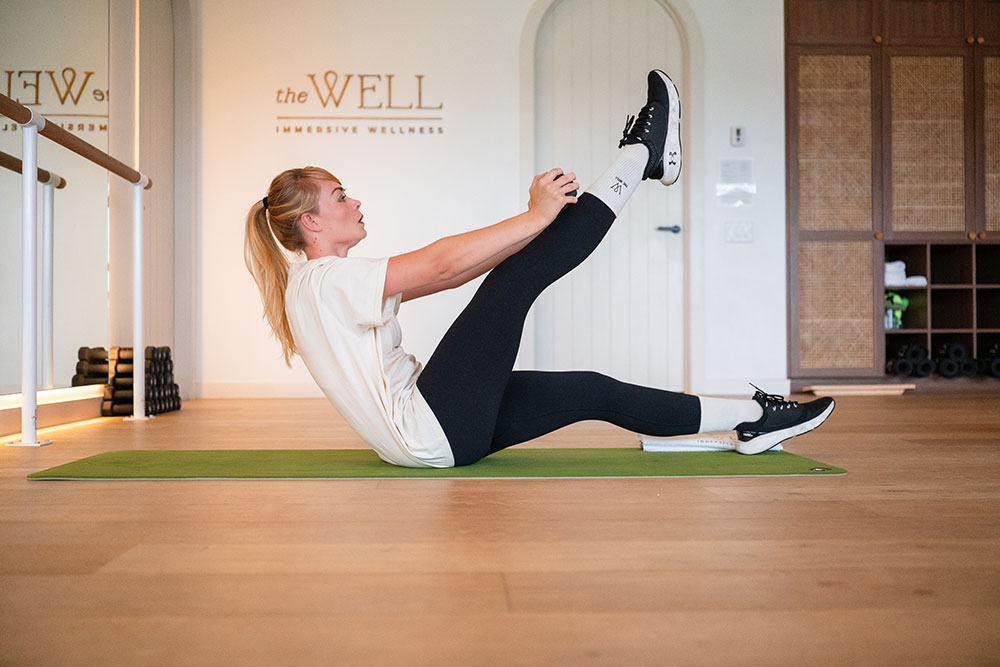
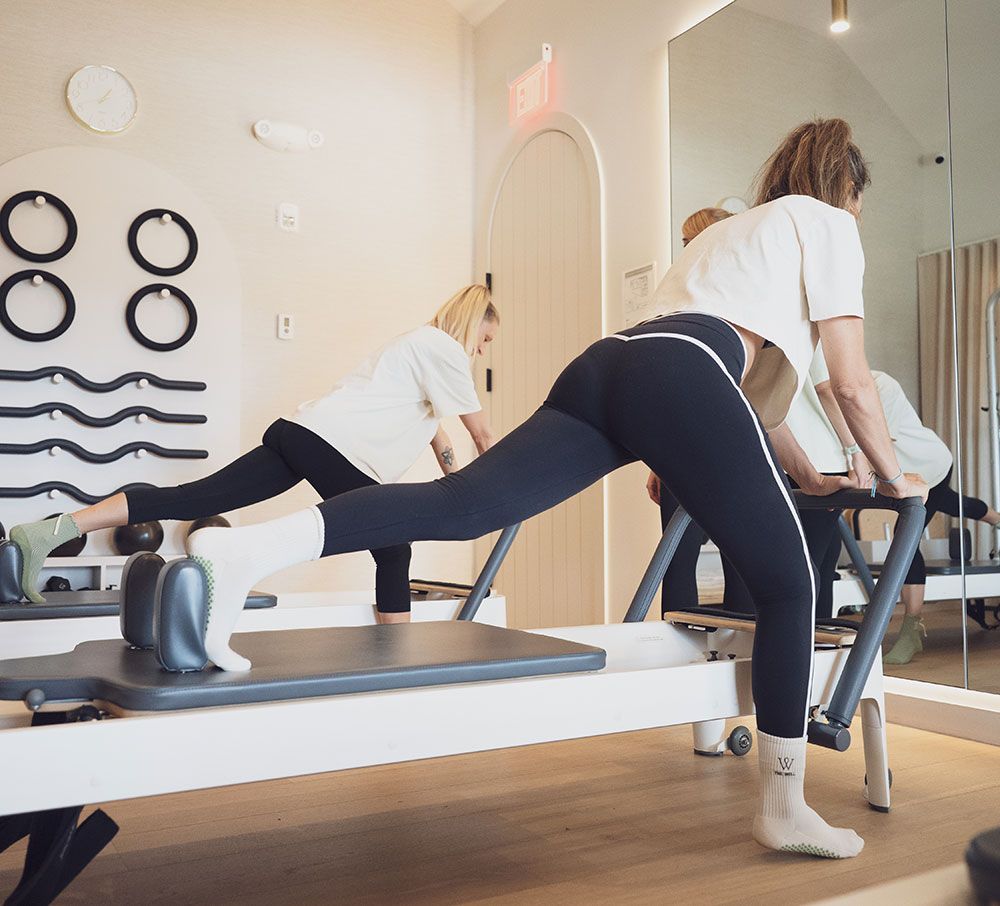
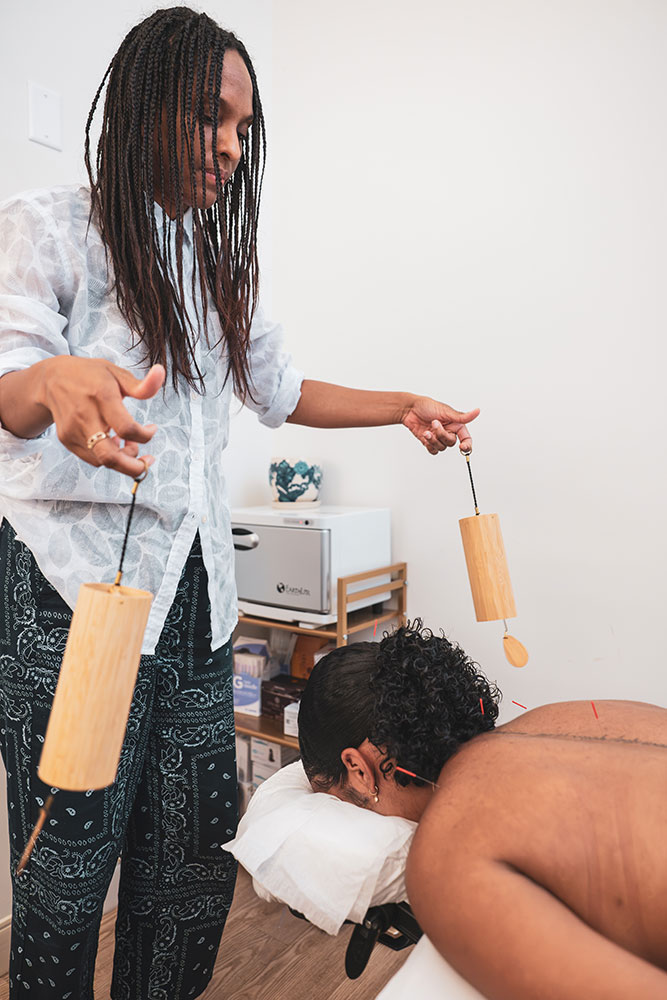
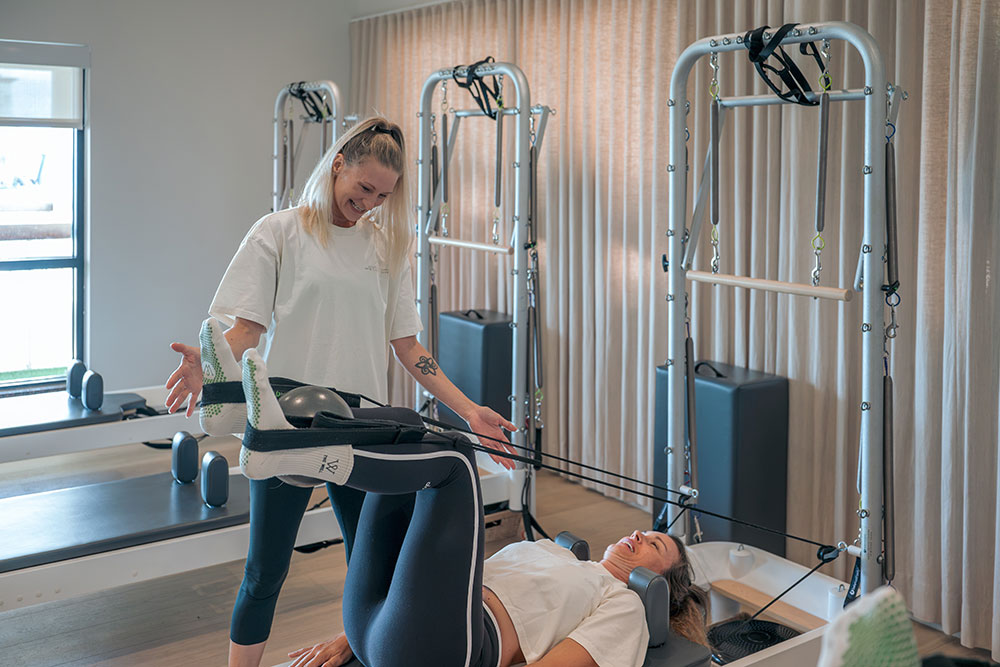
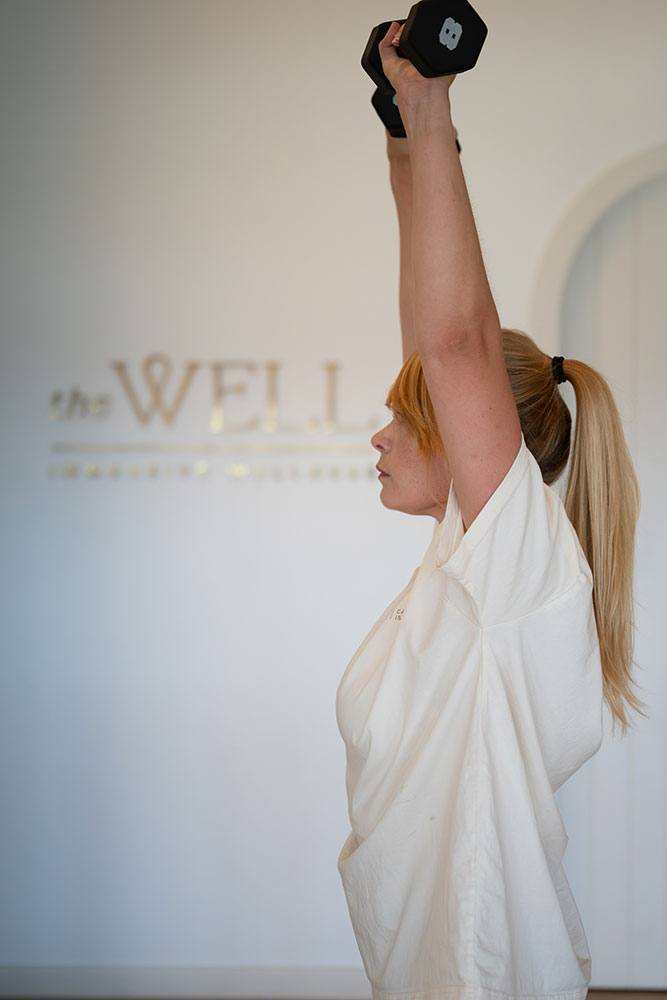
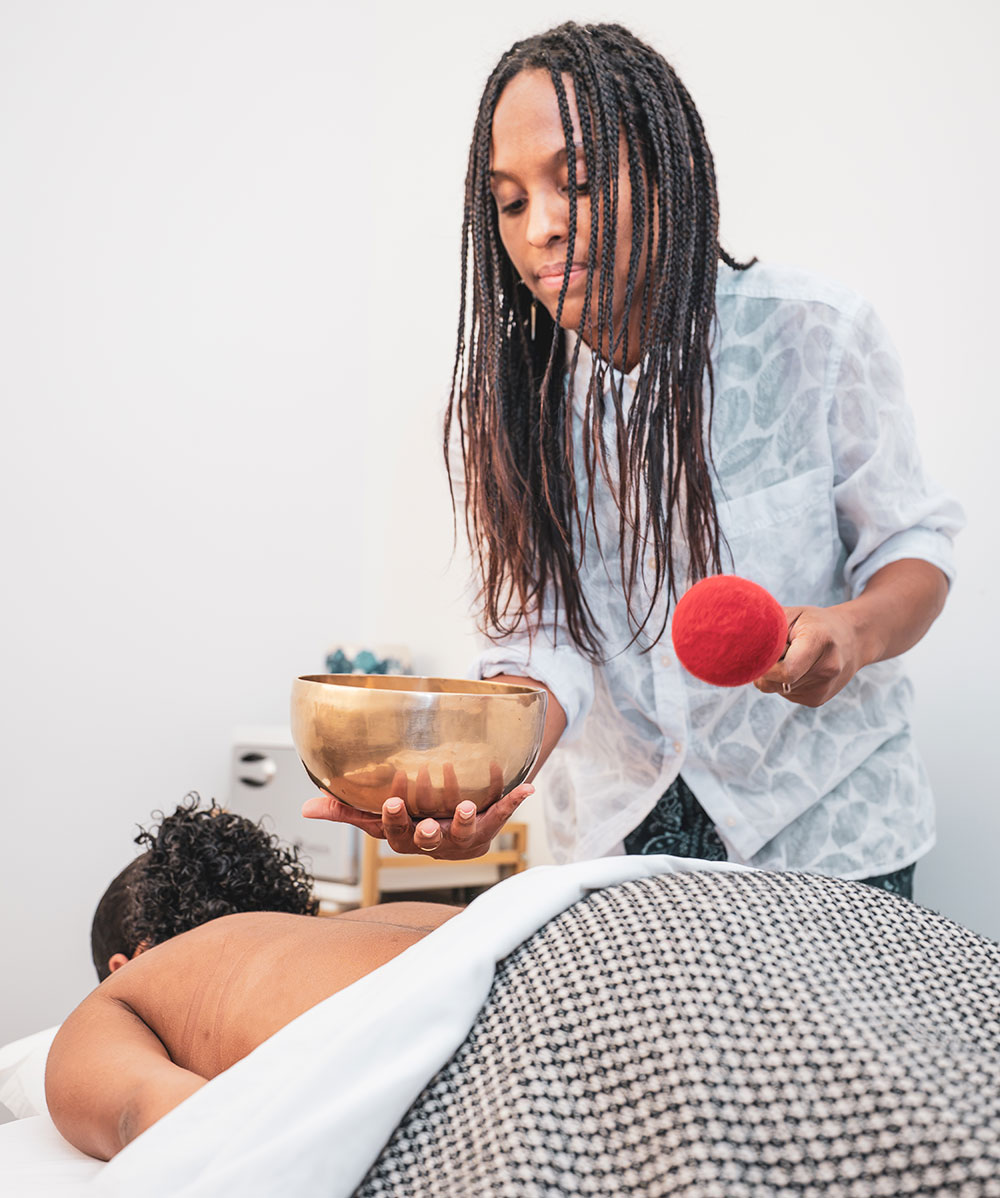
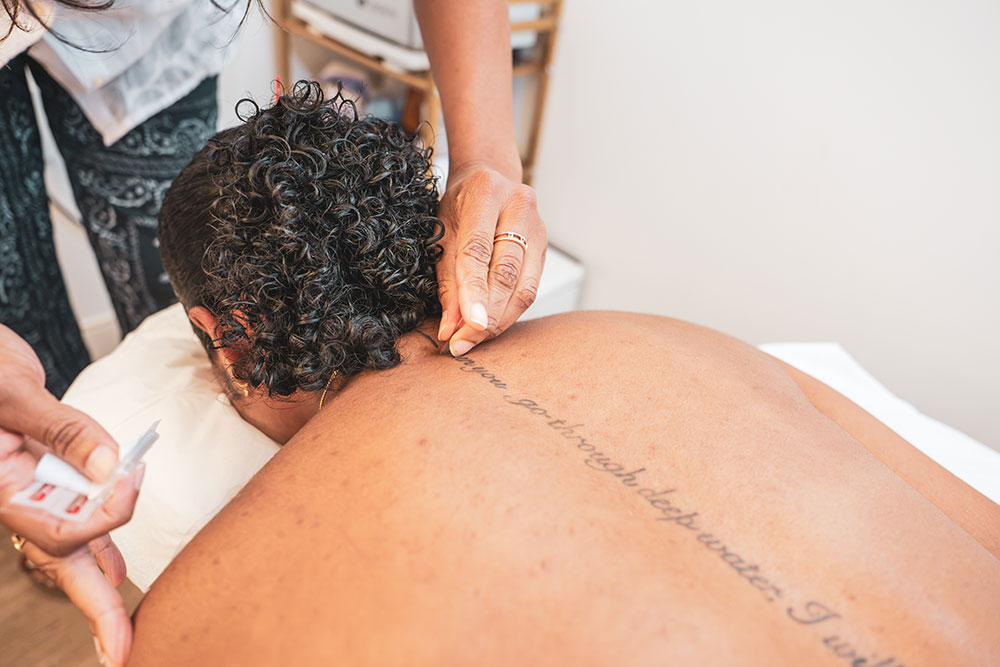
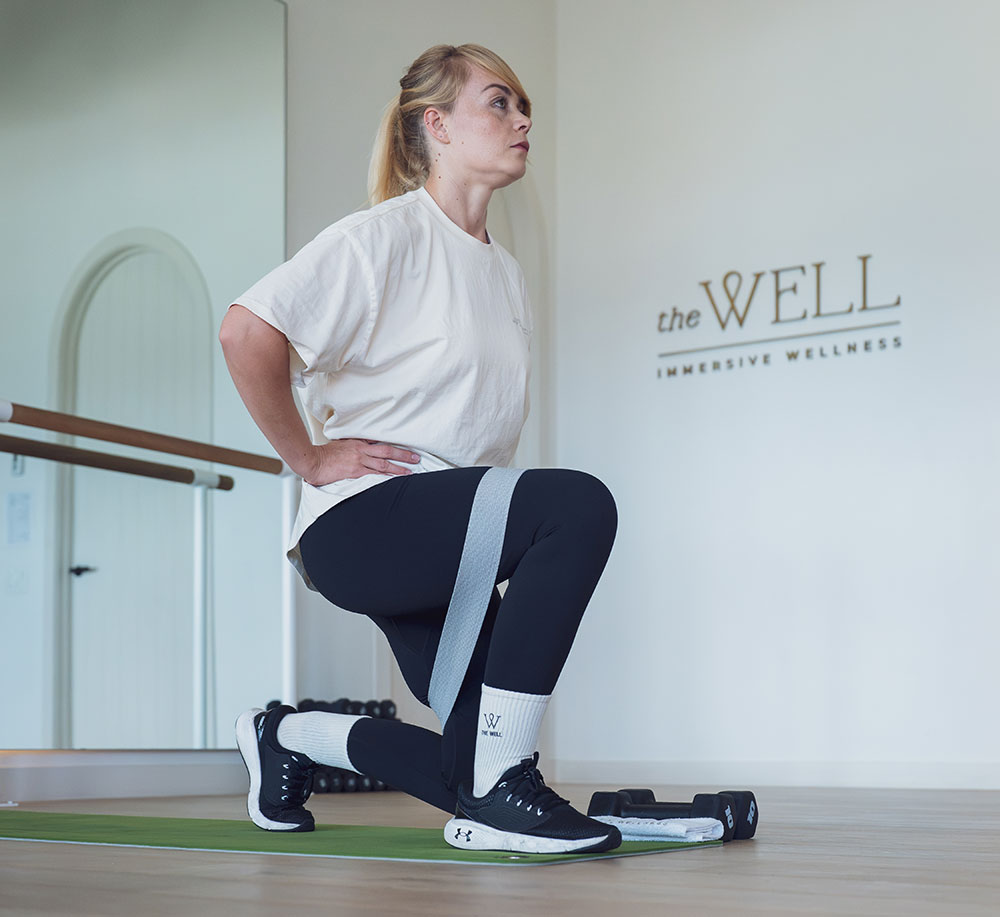
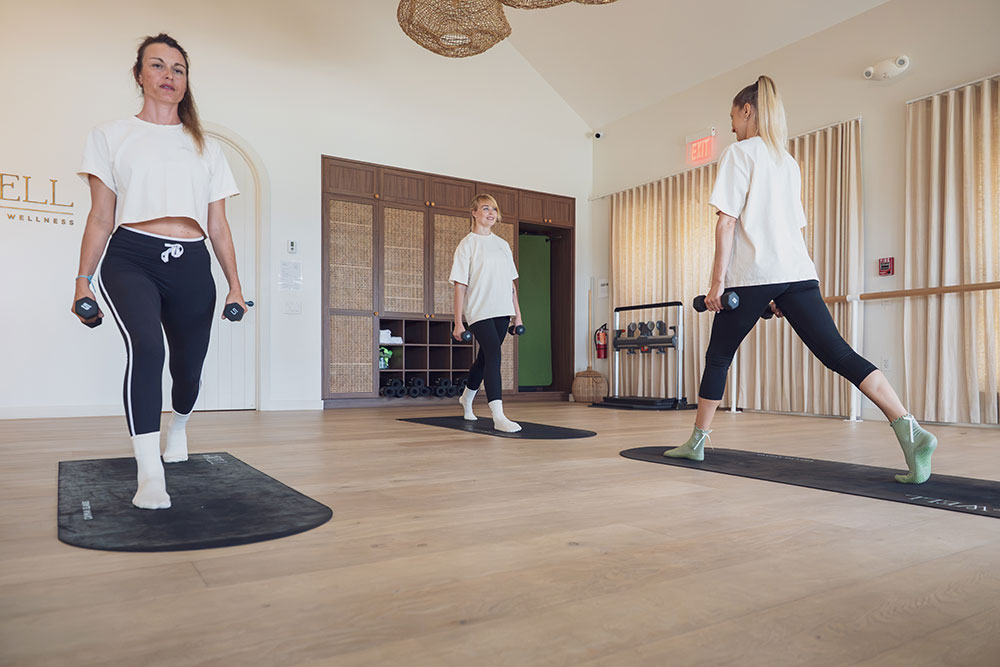
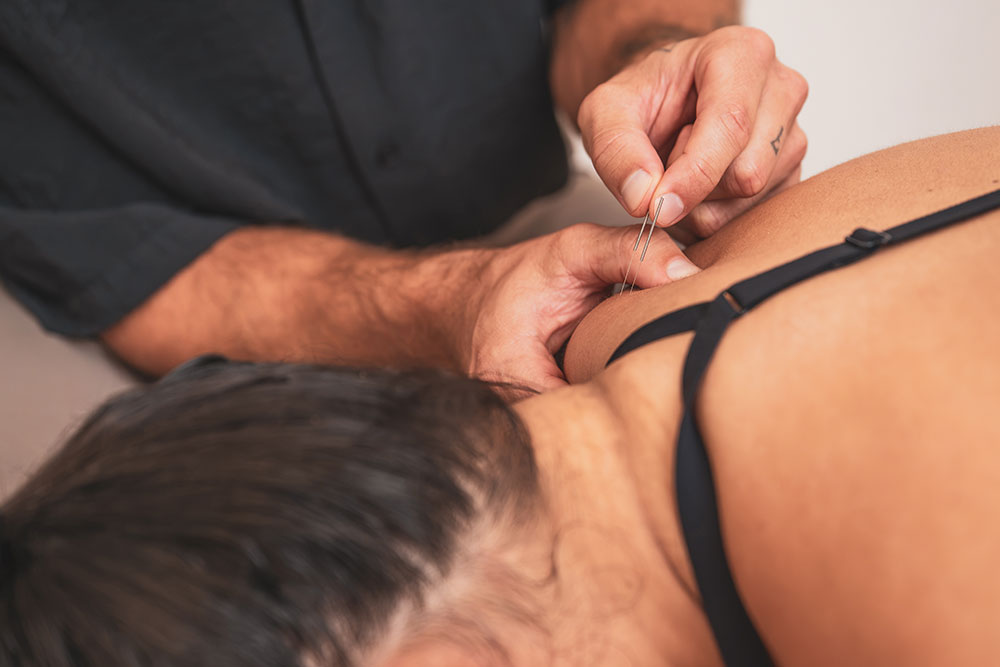
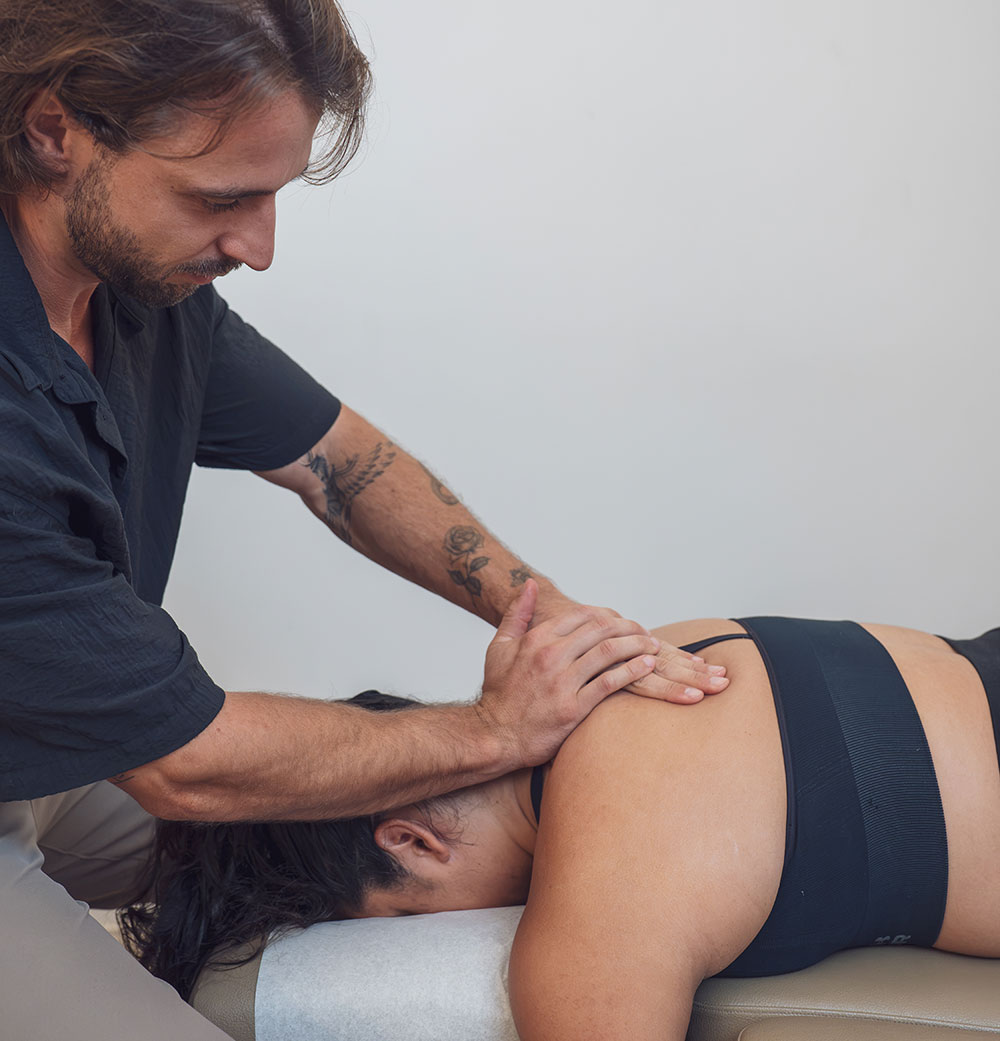
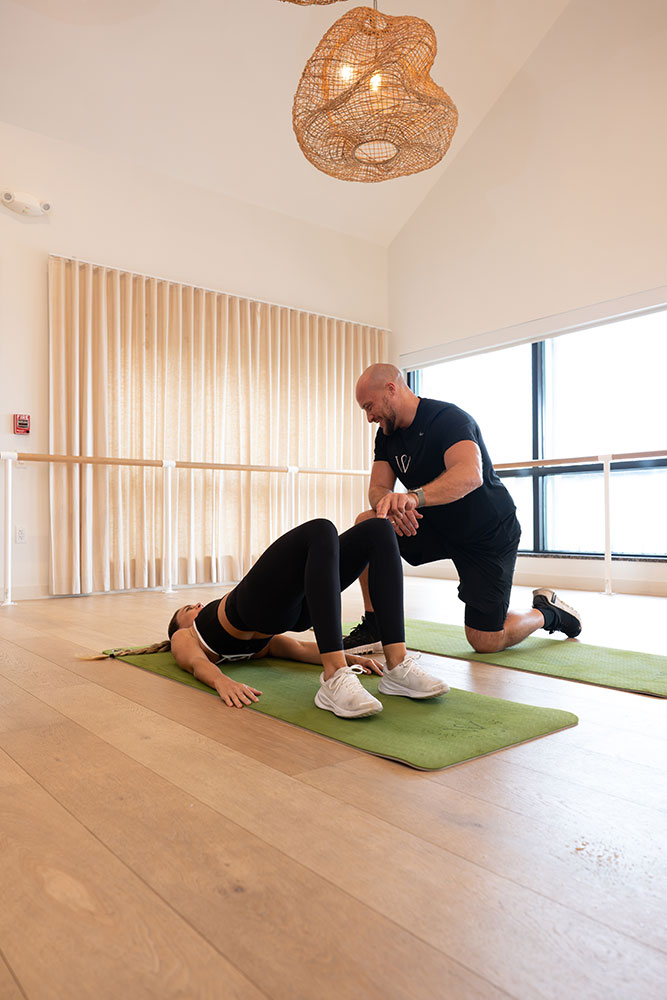
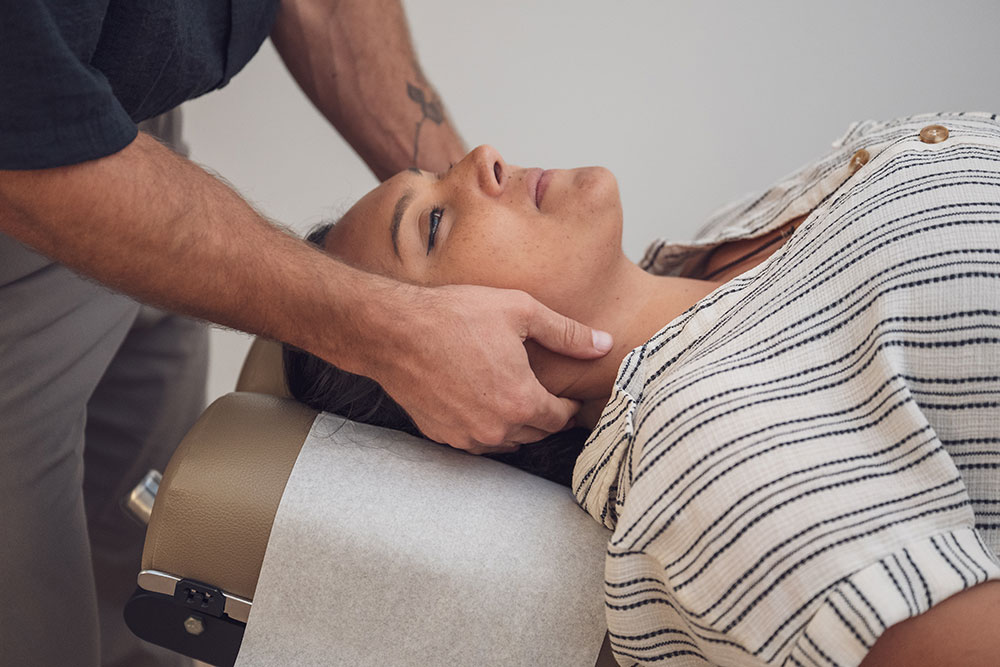
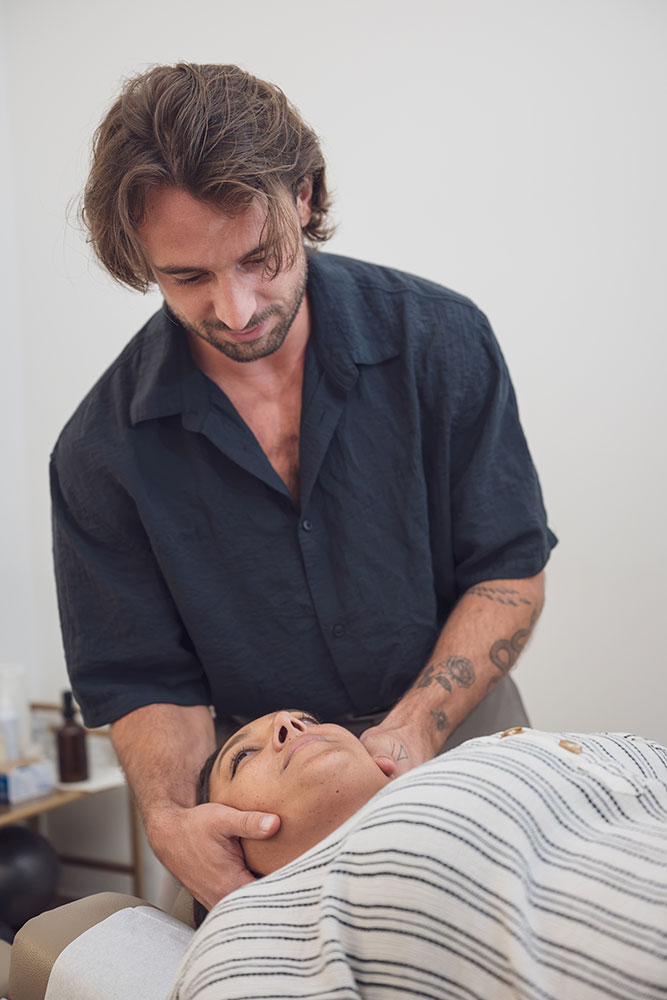
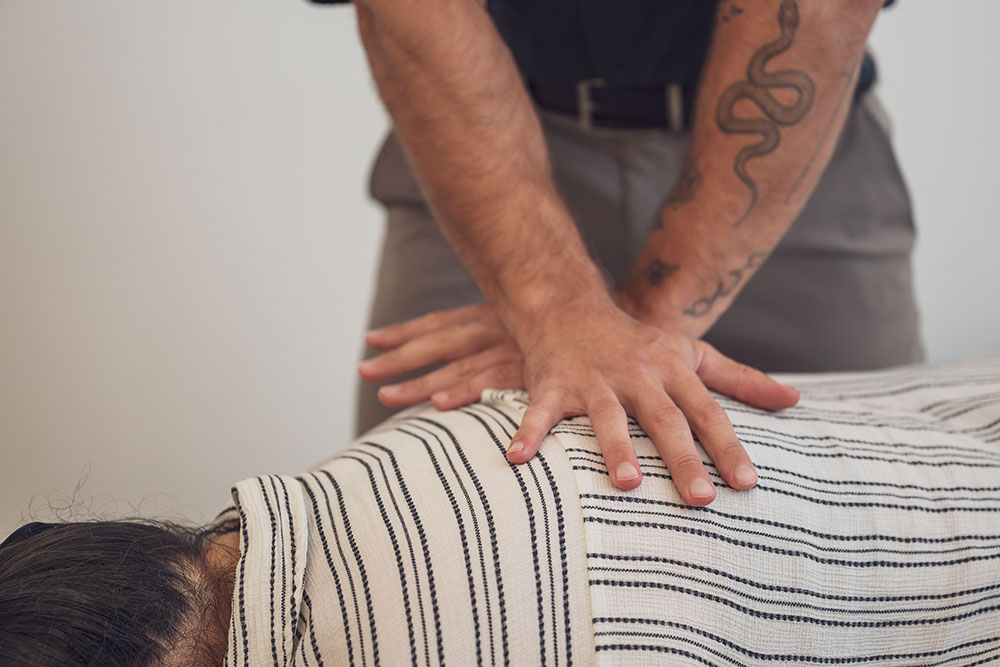
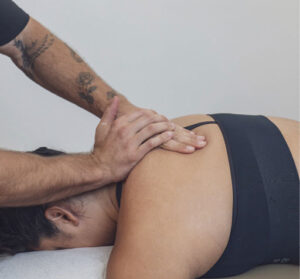
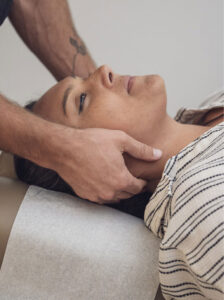
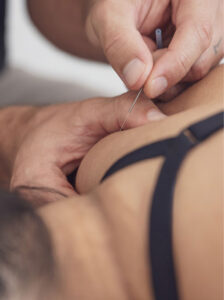
 “Our offering spans sports medicine, functional medicine, physiotherapy, chiropractic care, acupuncture, massage therapy, personal training, clinically informed movement and dedicated recovery facilities.”
DESIGN DECISIONS
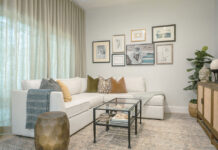
The integrated philosophy extends beyond the services on offer. Unlike the conventional clinical environment, The Well was designed to feel warm, considered and inviting.
DDL Studio Ltd. coordinated the fit-out, while interior designer Josephine Hislop helped shape an aesthetic that deliberately moved away from the visuals usually accompanying healthcare.
 “Josephine was instrumental in refining the aesthetic and helping us achieve the warm, organic quality of the finished space,” says Philippe. “We wanted to move away from the sterile atmosphere traditionally associated with medical environments and create something with an almost spa-like sense of calm, without making it feel like a spa.”
Achieving that balance between comfort and clinical credibility was central to the brief.
Having worked in both highly clinical settings and more spa-like environments, Philippe saw an opportunity to bring together the qualities he valued in each.
 “From the moment visitors enter The Well, we want them to feel calm, comfortable and at ease. The environment can influence us even at a subconscious level, so creating that immediate sense of calm helps place clients in a more positive state of mind and supports the overall healing experience.”
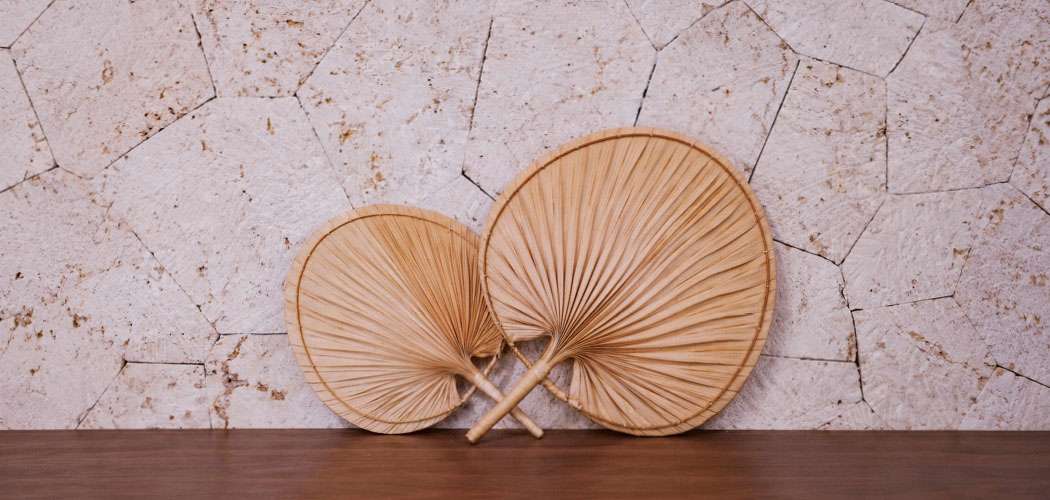
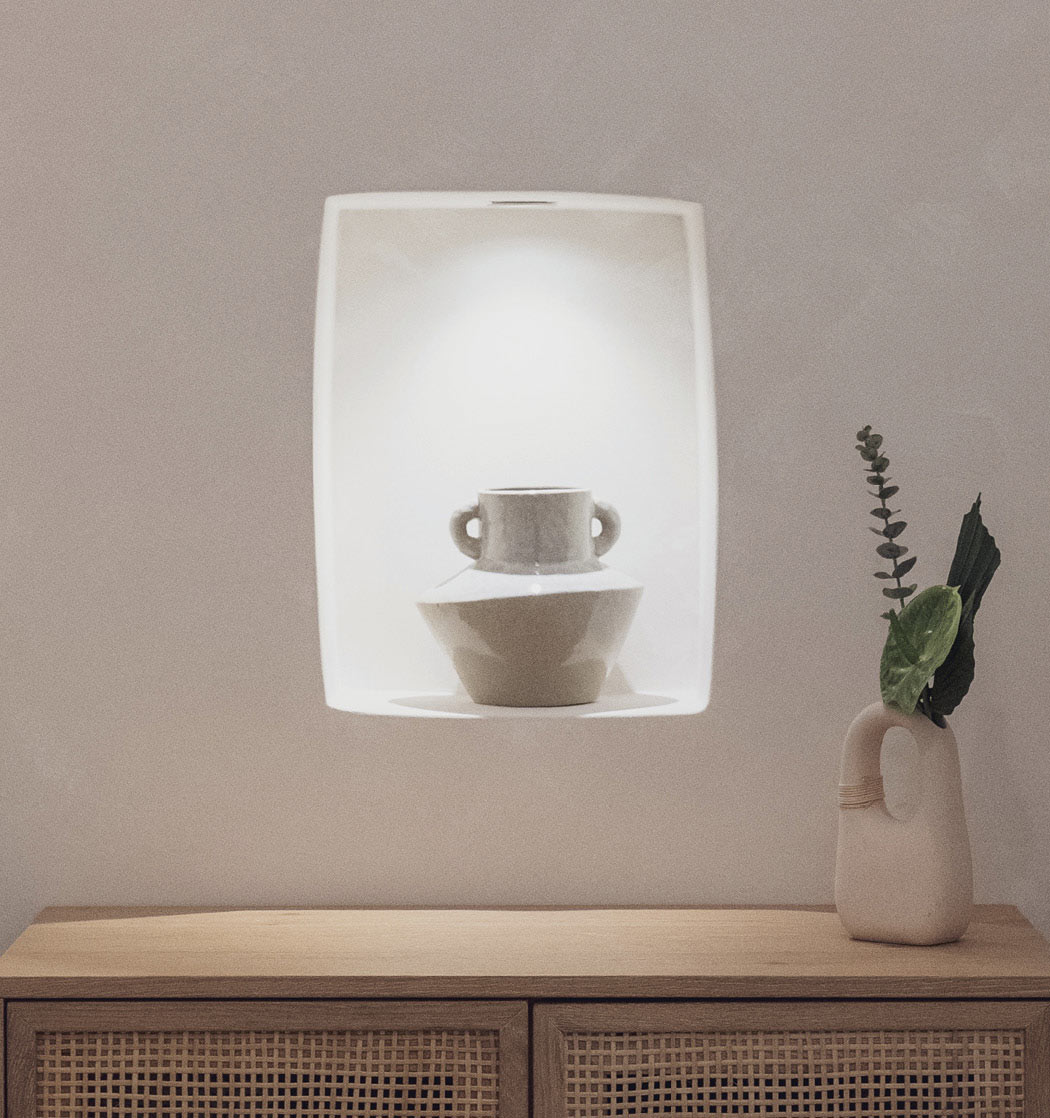
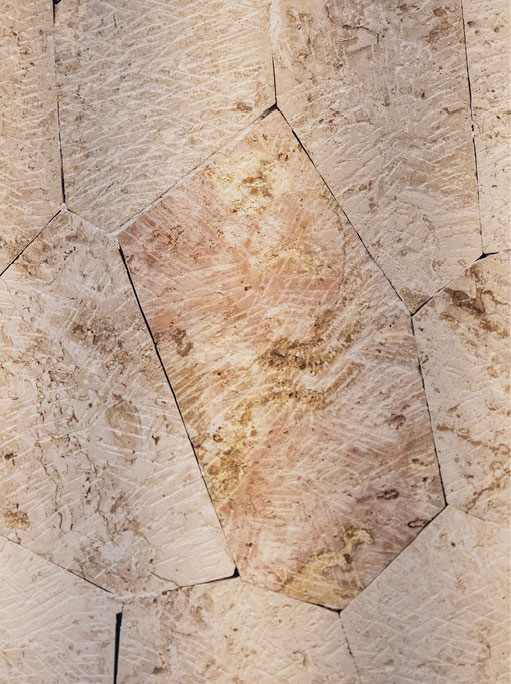
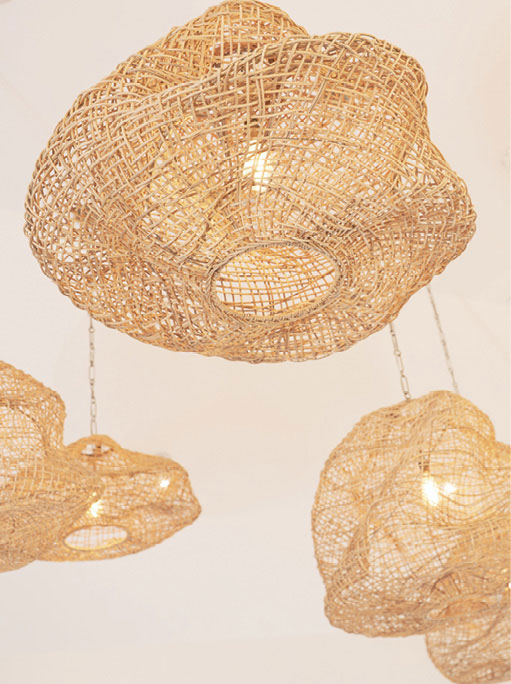
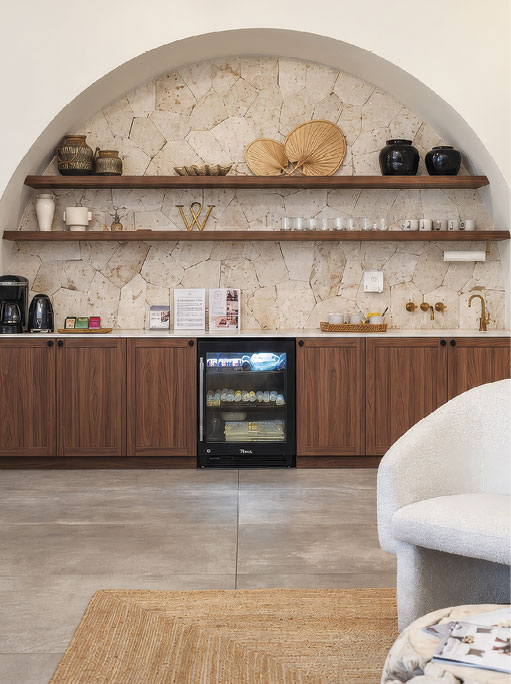
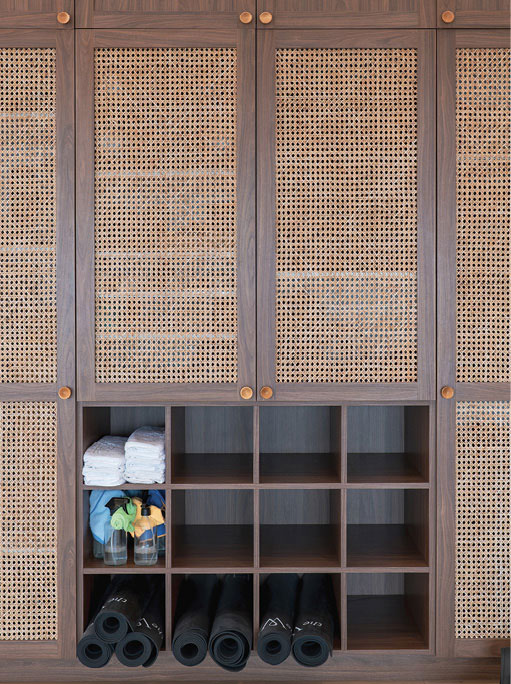
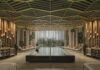
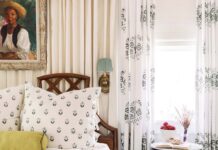
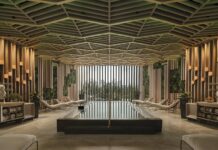
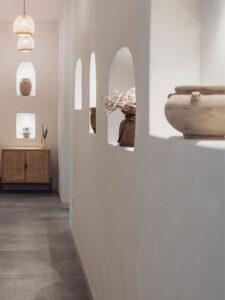
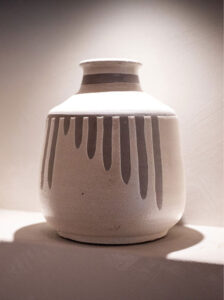
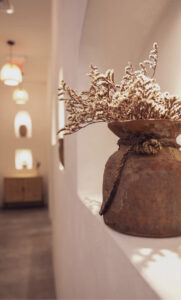
That intention is evident in the material palette. Cayman stone, timber, textured limewashed walls and rattan bring warmth and tactility, while built-in niches and arched openings soften the architecture.
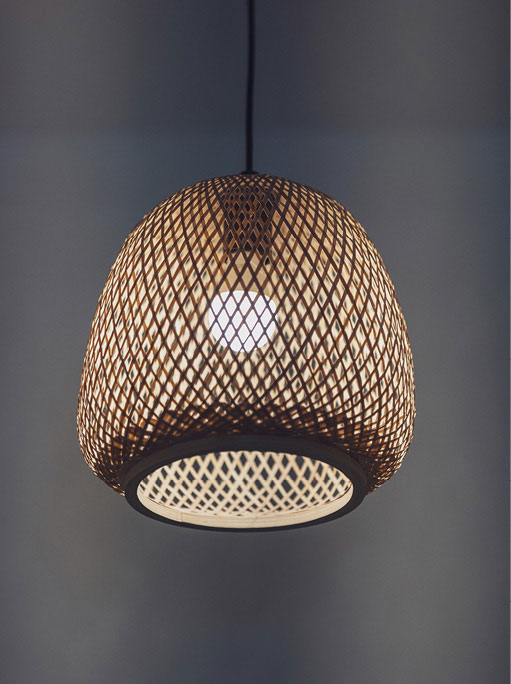
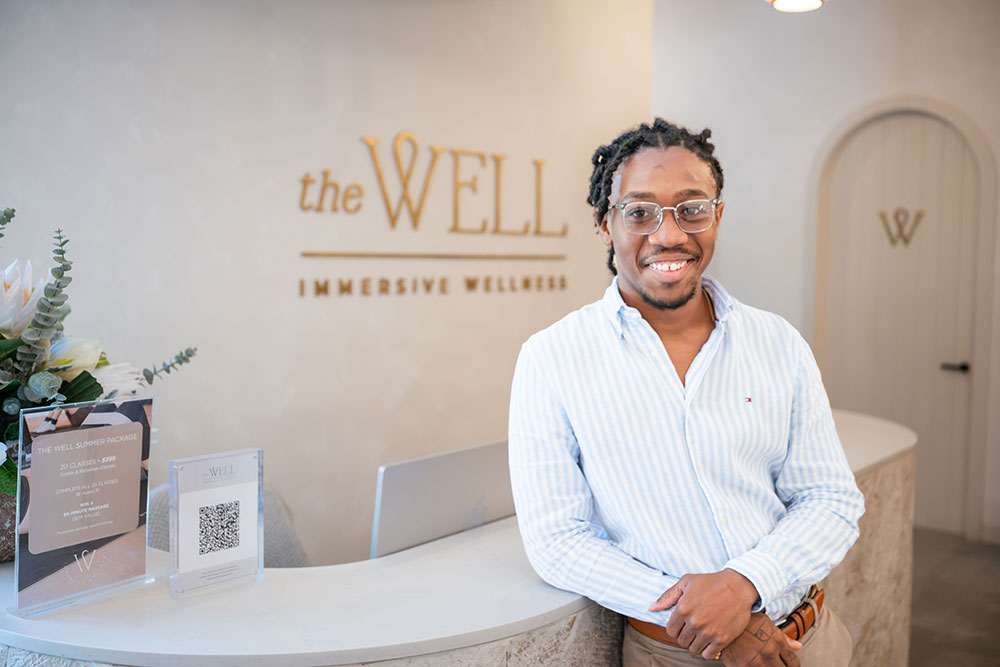
In the reception area, a large arch has become one of the defining features of the space, while rattan lighting adds softness, and brass fixtures provide a more refined finishing touch.
 The clinical, movement and recovery areas flow naturally into one another, retaining their individual functions while maintaining a sense of continuity.
SENSE OF CALM
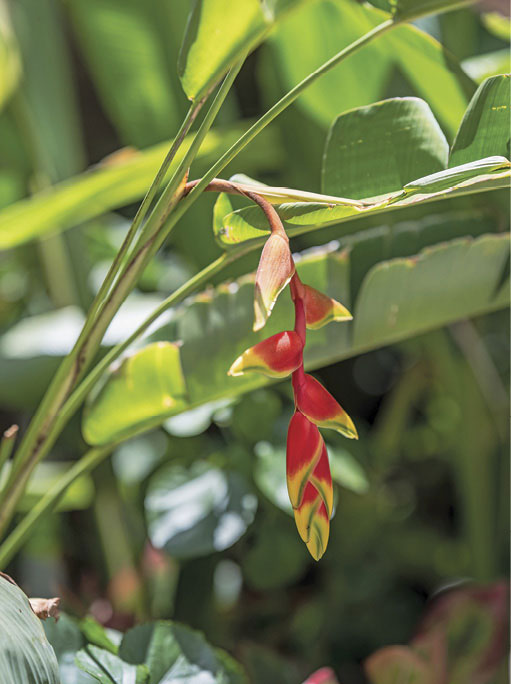
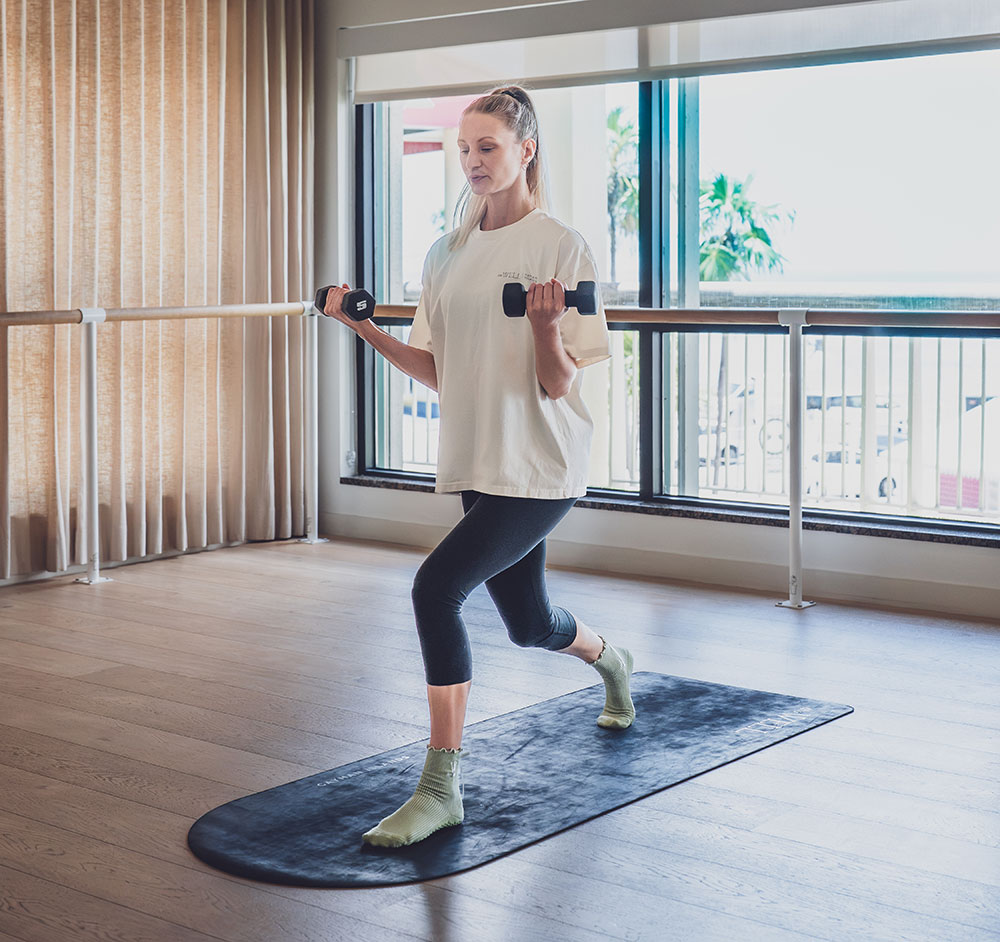
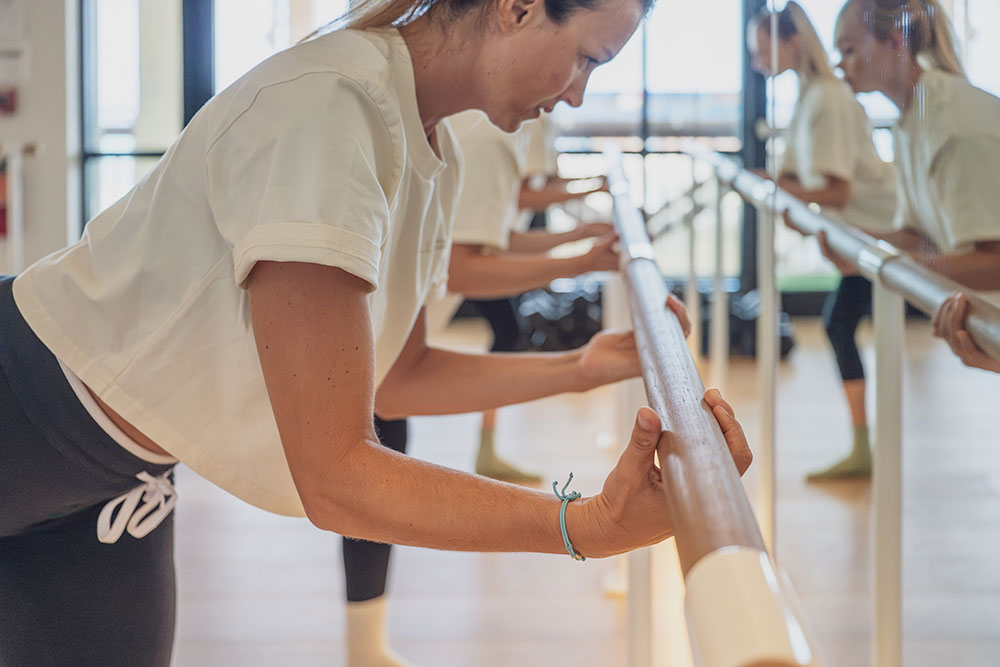
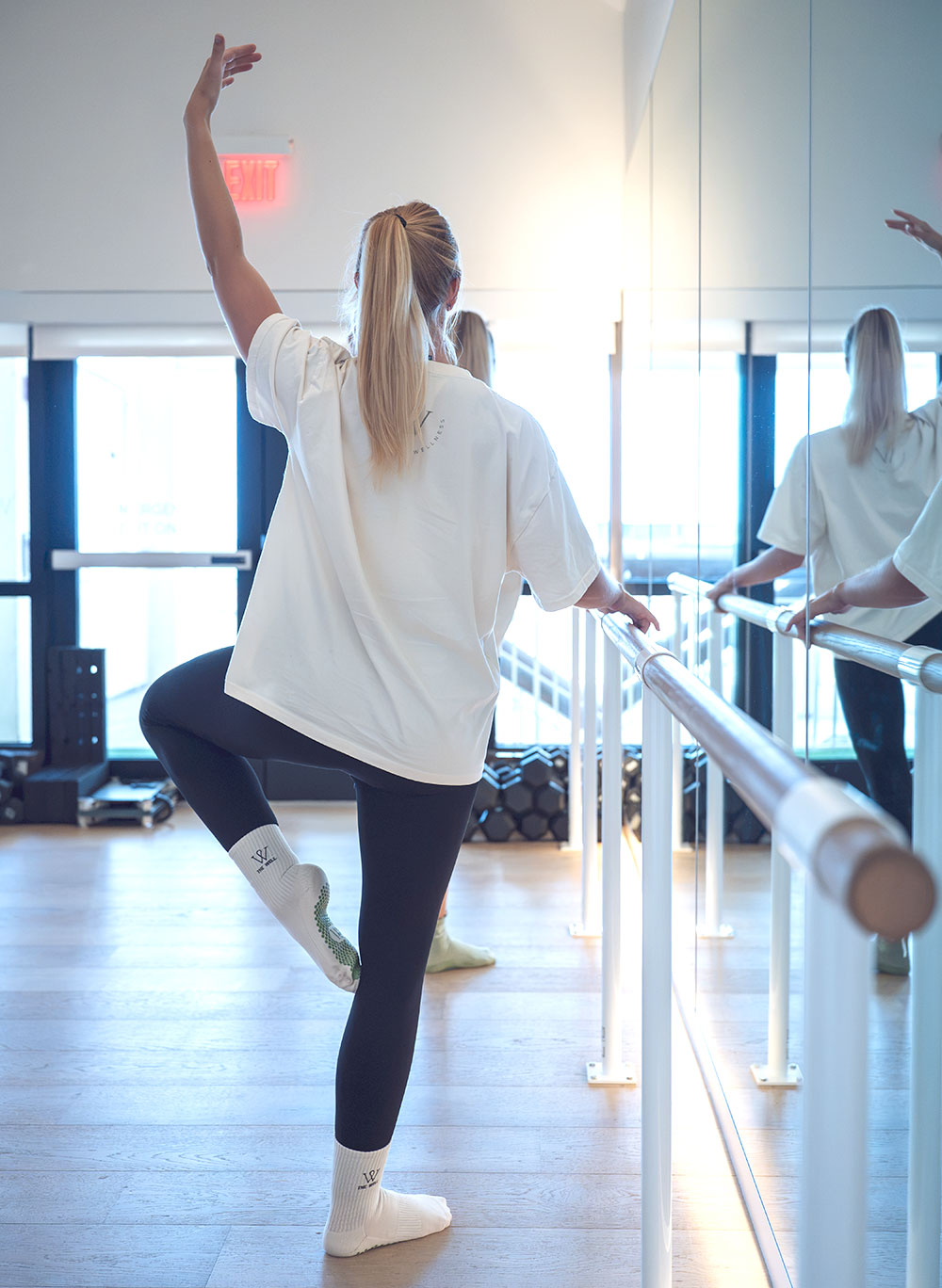
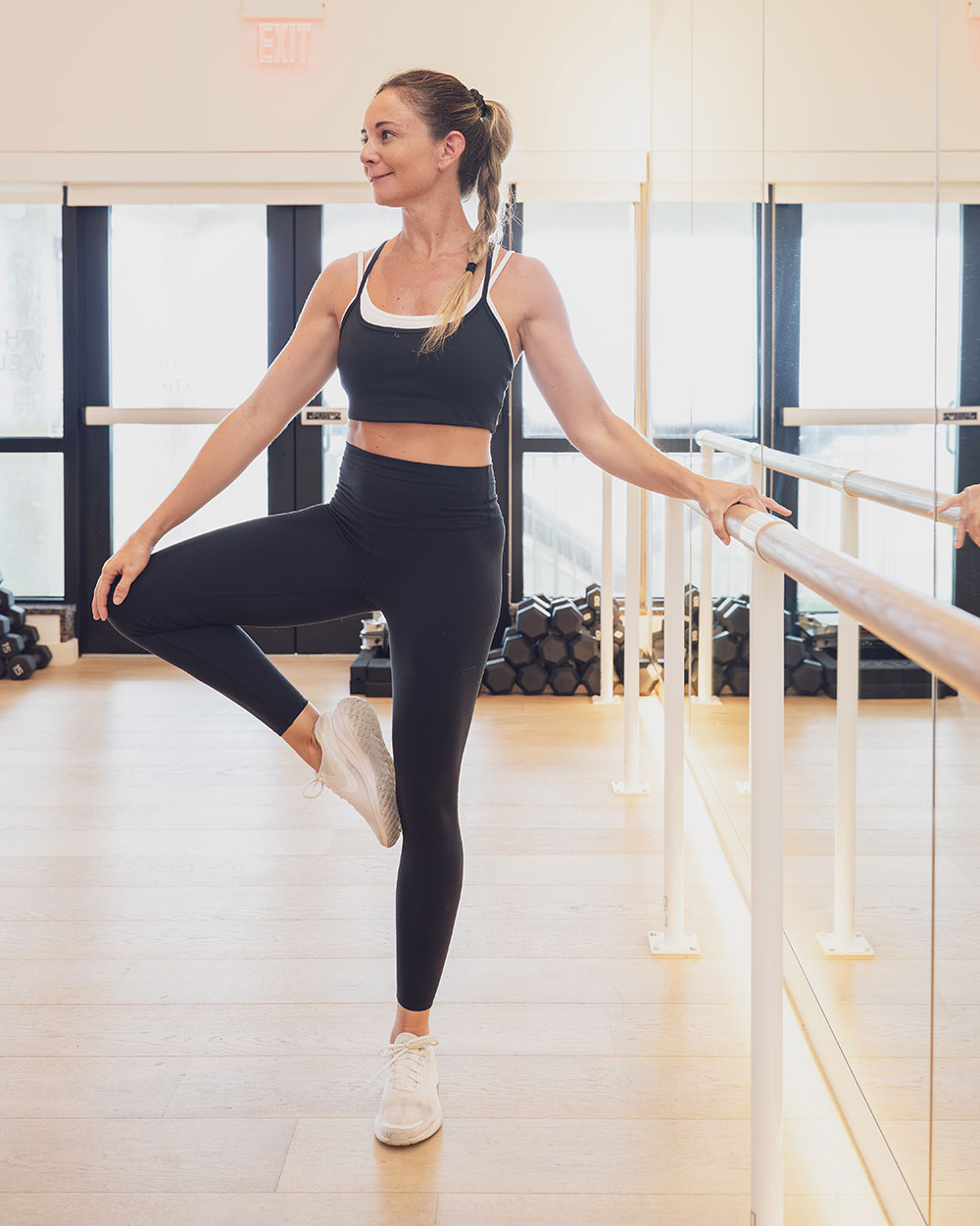
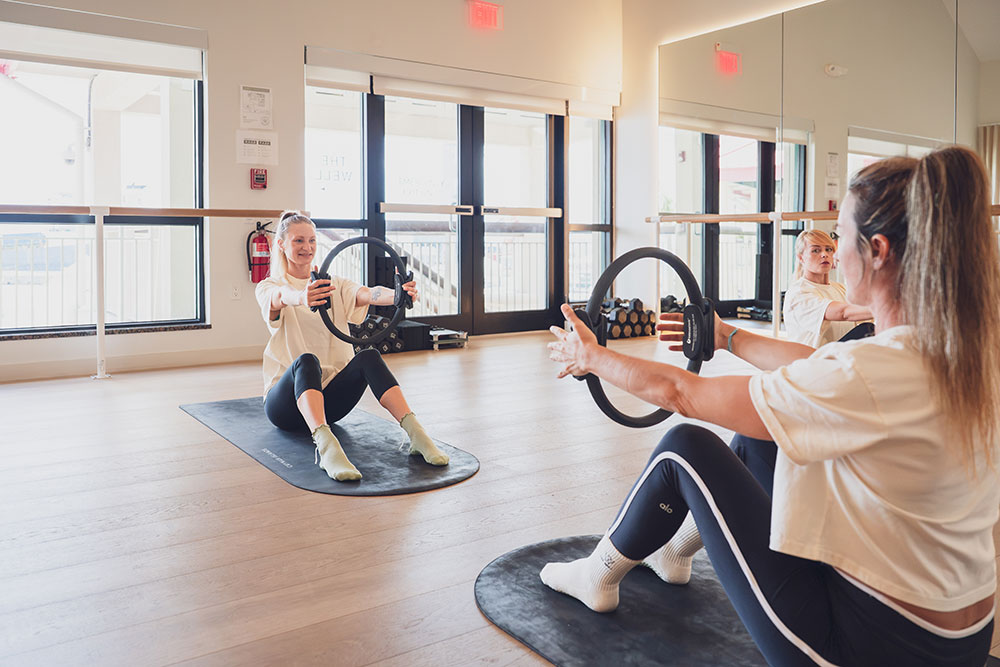
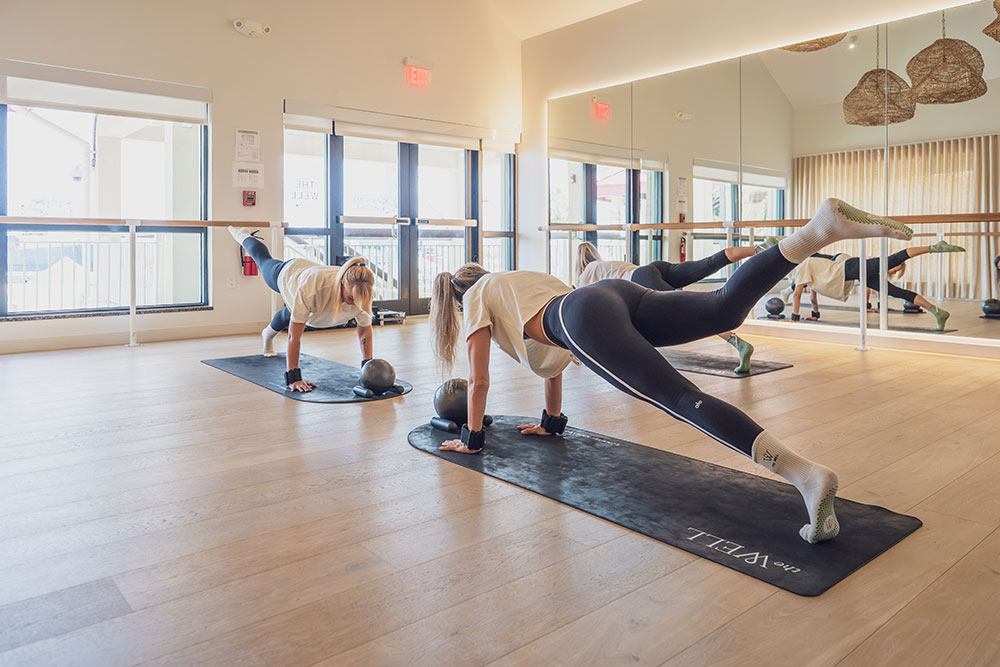
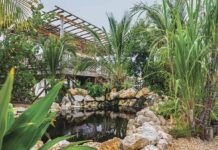
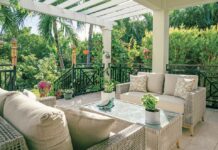
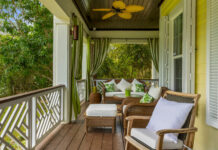
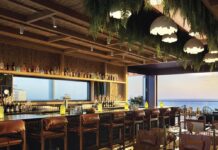
The movement studios overlook the harbour, while the recovery terrace – with its sauna, cold plunge and seating areas – faces the water and is surrounded by lush greenery.
Rather than treating the waterfront as a backdrop, the design makes it part of the experience.
 “The setting allowed us to create a strong connection between movement, recovery and the natural environment,” says Philippe.
For him, that relationship between environment and well-being is fundamental to the design.
“The lighting, materials, layout and overall atmosphere can either create tension or help relieve it. In a health and wellness environment, I believe design has an especially important role because creating a sense of calm can help people feel more receptive to care, recovery and healing.”
WELCOMING INTEGRATION
The idea for The Well was partly driven by a perceived gap in the Cayman market: a medical and wellness facility that felt less clinical and more welcoming, while bringing complementary disciplines together.
“We also saw considerable fragmentation across health and wellness services. Clients often had to visit several different locations and coordinate their own care,” says Philippe.
“The Well brought these disciplines together in one place, creating a multidisciplinary, integrative model in which clinical care, movement and recovery can be coordinated around the individual.”
It is an approach that brings the philosophy of The Well back to the historical feature beneath it: a place designed to provide a sense of nourishment, renewal and connection.