












Great interior design does more than make a vacation rental look attractive – it can be a selling point.
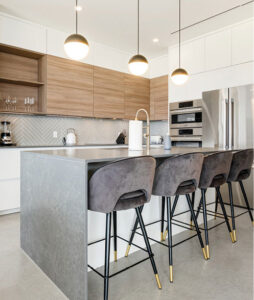
“Guests are often choosing between dozens of properties online, and the interiors can be the deciding factor before booking,” says interior designer Maya Lewis of Dreamhouse Design.
A well-designed space photographs beautifully, feels memorable on arrival, and stands up to the wear and tear of frequent stays.
“The most successful rental spaces strike a balance between personality and practicality,” adds Maya. They’re individual without being fussy, inviting without being generic, and thoughtfully styled to ensure guests feel right at home.
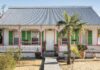
Here, Maya shares 10 ways to add a bit of pop and personality to your rental, illustrated with images of Point West, a luxury vacation property in West Bay:
1. GIVE THE PROPERTY A PERSONALITY
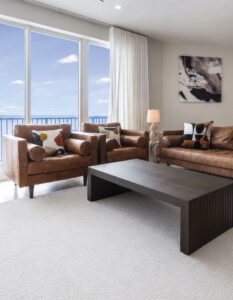
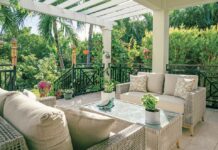
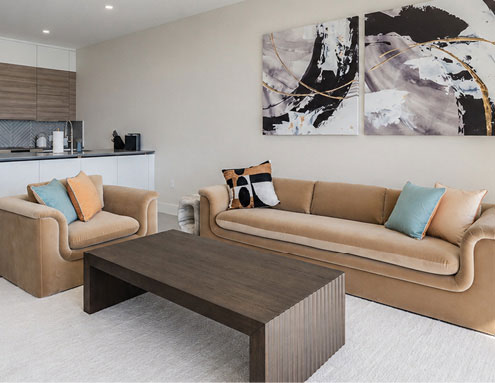
Don’t play it too safe. Neutral walls and practical furniture may seem sensible, but an entirely beige interior rarely inspires. Choose a few pieces with personality – a curved sofa, sculptural chair, statement coffee table or distinctive console can completely change the character of a room.
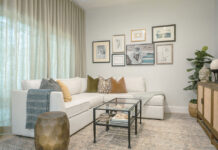
At Point West, caramel upholstery warms the pale architectural finishes and contrasts beautifully with the blues of the sky and ocean beyond the window. Strong silhouettes keep the scheme contemporary.
2. USE COLOUR IN SMALLER, EASILY REPLACEABLE ACCENTS THAT CAN BE LAYERED.
Colour doesn’t have to mean brightly painted walls or expensive statement furniture. Cushions, books, artwork and accessories are simple ways to add vibrancy to an otherwise neutral space, and they’re easy to source from local and overseas retailers.
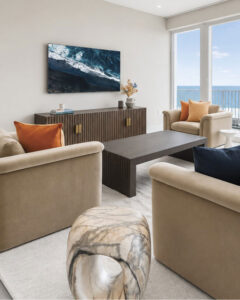
A carefully chosen cushion or accent can truly bring a room to life. Coffee-table books are especially effective styling tools – choose covers that complement your colour palette and reflect the location. These small pieces are also relatively inexpensive to replace if damaged or when refreshing the property.
3. MIX TEXTURES TO CREATE A MORE EXPENSIVE-LOOKING INTERIOR
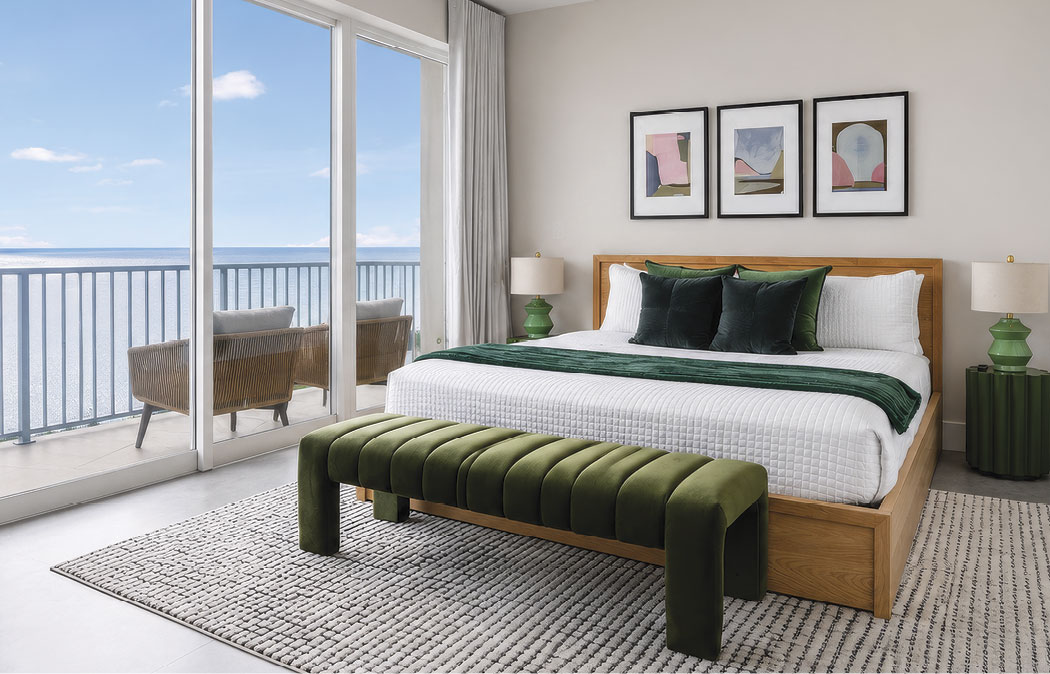
Rooms become interesting when contrasting materials sit alongside one another. Instead of buying an entire furniture set, combine contrasting finishes: soft velvet with textured linen, a glossy or polished side table with a chunky woven rug, warm timber with metal, or a smooth stone accessory beside tactile upholstery.
Contrast is important. A room in which every surface has the same visual weight can feel flat, however expensive the individual pieces are.
Think about texture almost as much as colour. Ribbed or fluted furniture, polished surfaces, natural stone and soft textiles create layers that make a room feel professionally designed. Don’t be afraid to mix and match.
4. CREATE ONE COLOUR-STORY THROUGHOUT THE PROPERTY
Bedrooms don’t need to match living rooms, but the entire property should feel as though it belongs together.
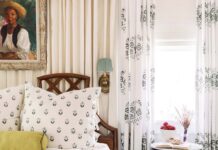
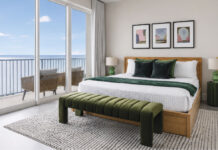
Choose a core palette and repeat variations of it from room to room. At Point West, warm neutrals are punctuated by blues, turquoise and burnt orange in the living areas, while quieter versions of those tones appear in the bedrooms and accessories.
This subtle repetition creates visual harmony – especially in open-plan layouts where multiple spaces can be seen at once.
5. DON’T OVERLOOK ARTWORK
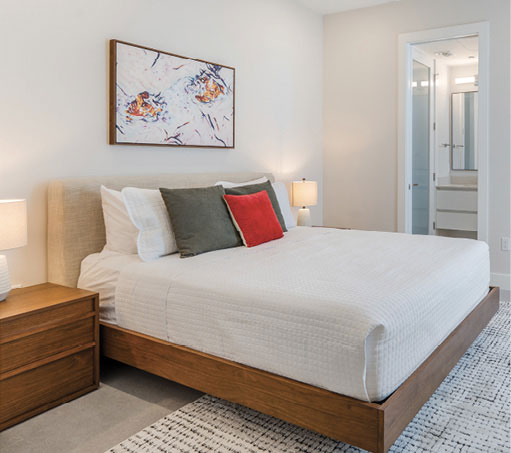
Blank walls can make even a beautifully furnished rental feel unfinished. Artwork adds scale, colour and personality – and it doesn’t have to be expensive.
Be generous with size. Two substantial canvases above a sofa usually have far more impact than several small pieces floating on a large wall.
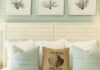
Choose artwork that relates to the location without becoming overly themed. For a coastal property, for example, abstract blues, organic forms or photography can reference the surroundings more elegantly than obvious beach signs and nautical motifs. Look for local artists who may want to feature their work or provide prints of their pieces, such as the guest room prints by Cayman Islands artist Jo Austin.
6. MIX INVESTMENT PIECES WITH AFFORDABLE FINDS
A rental doesn’t need to be filled with designer pieces. Affordable retailers are excellent sources for occasional tables, lamps, cushions, mirrors and accessories – but avoid making everything inexpensive.
Invest in pieces that establish the room – particularly sofas, beds, dining furniture and one or two statement items – then mix in more affordable finds.
And, don’t forget to buy duplicates of accessories so they can be easily replaced if damaged.
7. SPECIFY PERFORMANCE FABRICS FROM THE BEGINNING
A beautiful cream sofa isn’t a good investment if it looks tired after six months. For upholstered furniture, choose commercial-grade or high-performance fabrics designed for spills, repeated cleaning and heavy use. Removable or cleanable cushion covers are especially valuable, and upholstery colours should be forgiving without defaulting to dark grey.
Spending a little more initially can save significantly over the lifetime of the rental.
8. STYLE THE KITCHEN – DON’T JUST EQUIP IT
In open-plan layouts, the kitchen is part of the overall interior. Treat it as another room to style rather than as a purely functional space. Start with the essentials guests truly need, then add a few attractive pieces that can remain on display: a quality toaster and kettle, a beautiful chopping board, coordinated canisters, a tray, cookbook or simple vase.
Consistency matters. Crockery, glassware and utensils should feel like part of a considered set rather than an accumulation of replacements. The kitchen should feel ready to use the moment guests walk through the door.
9. MAKE IT GENUINELY TURNKEY – RIGHT DOWN TO THE HANGERS
Small details often separate an ordinary rental from a professionally finished one. Open every cupboard and wardrobe and imagine arriving with a suitcase. Are there enough hangers? Are they all matching? Is there a sensible place for luggage? Are bedside charging points available? Does every bed have a bedside table and lamp? Is there a full-length mirror? Enough glasses for maximum occupancy?
Matching hangers may seem minor, but a wardrobe filled with identical ones instantly feels more polished.
10. STYLE FOR THE PHOTOGRAPHS – BUT DESIGN FOR REAL LIFE
Before guests experience the comfort of the sofa or the view from the bedroom, they experience the property through images. Give each photograph a focal point: a striking sofa, colourful cushion, a beautiful stack of books, oversized artwork or sculptural side table. Small details can make a neutral room stand out enormously on screen.
But don’t sacrifice usability. Leave comfortable circulation space, provide enough seating and surfaces, and avoid over-styling tables with accessories guests immediately have to move.
The best rental interiors do both – they photograph beautifully and function effortlessly once someone moves in.
THE FINISHING TOUCH
Ultimately, a successful rental shouldn’t feel like a collection of furniture purchased to fill rooms. It should feel like a home someone has deliberately designed, whilst leaving enough space for guests to unpack and settle in. Invest where it matters, mix high and low pieces confidently, introduce colour and texture, choose hard-wearing materials and pay attention to details right down to the contents of the wardrobes.
Inject a bit of personality without getting too personal. Feature local artists, leave a small welcome gift or note – and have fun with it.